
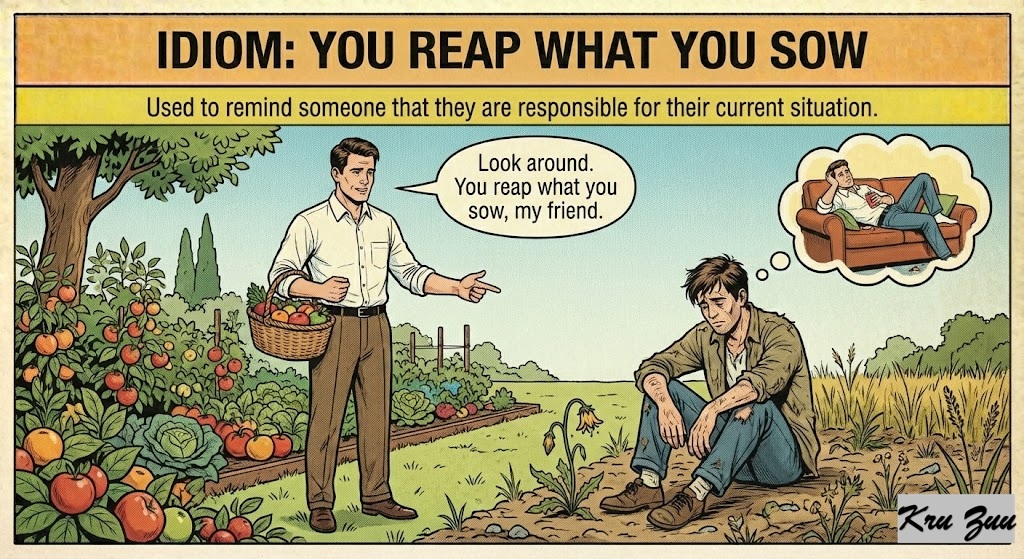
“You reap what you sow.”
😈 The Villain (The Instant Gratification Seeker)
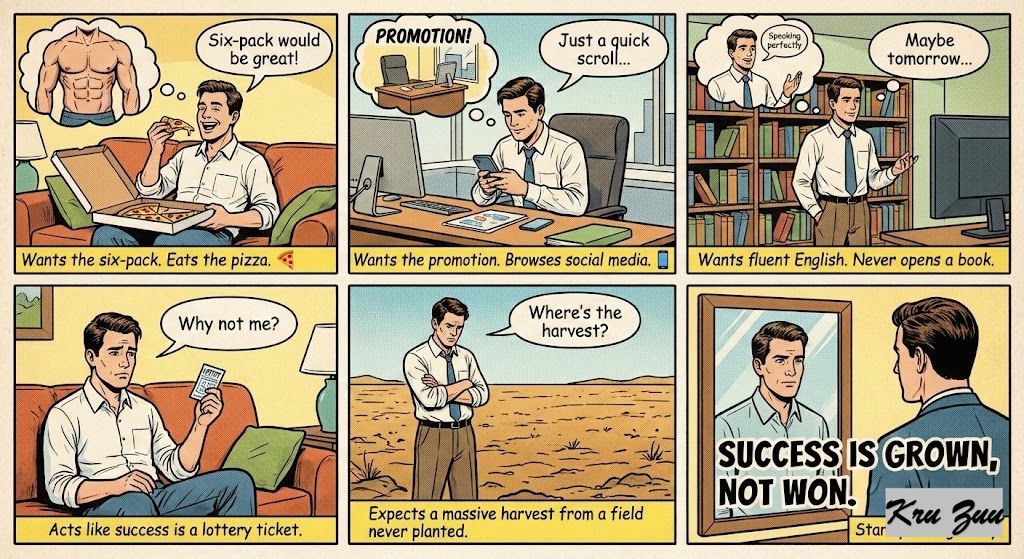
You want the six-pack, but you eat the pizza. 🍕 You want the promotion, but you browse social media all day. 📱 You want to speak perfect English, but you never open a book. You act as if success is a lottery ticket you just happen to win. You expect a massive harvest from a field you never planted.
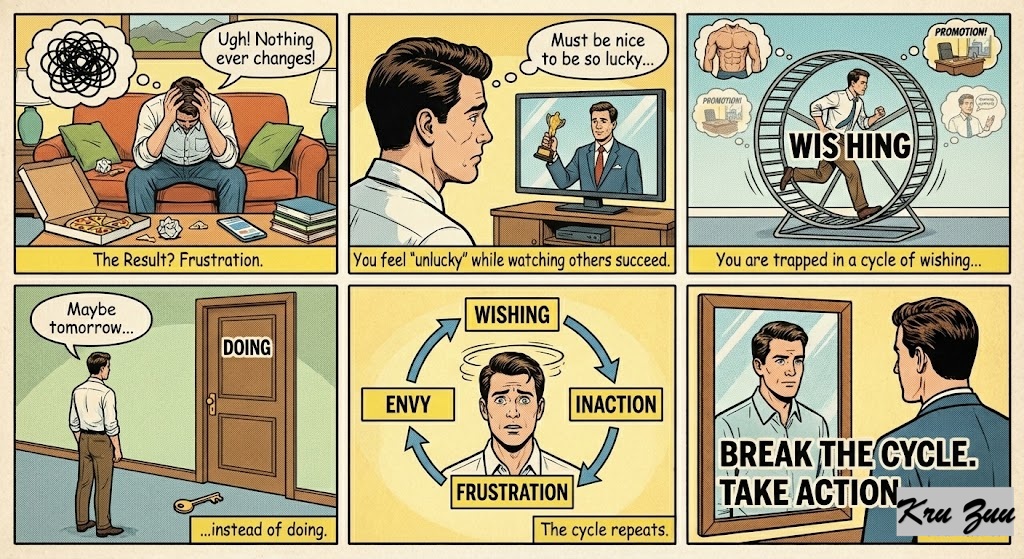
The Result? Frustration. You feel “unlucky” while watching others succeed. You are trapped in a cycle of wishing instead of doing.
😇 The Hero (The Patient Planter)
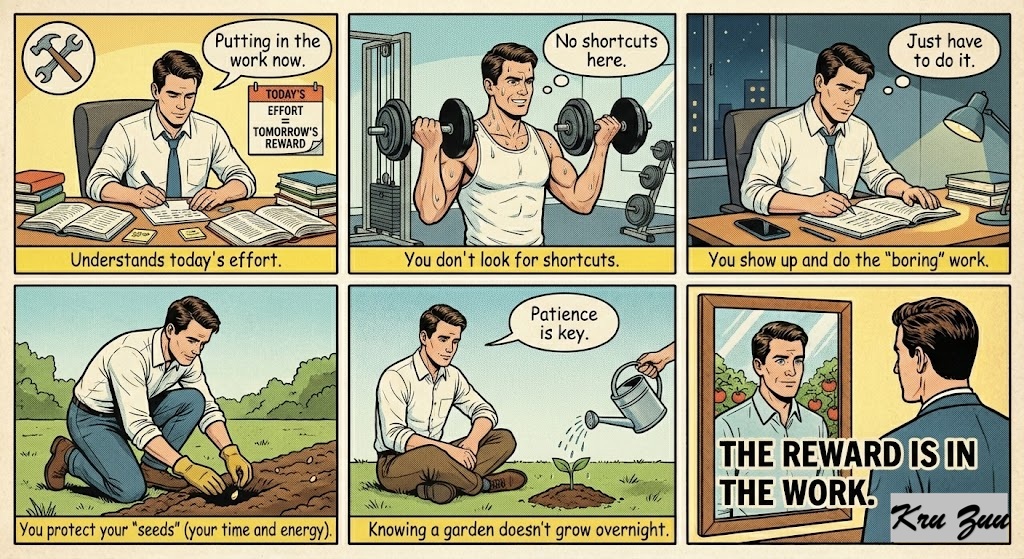
You understand that today’s effort is tomorrow’s reward. 🛠️ You don’t look for shortcuts. You show up, you do the “boring” work, and you protect your “seeds” (your time and energy). You know that a garden doesn’t grow overnight.
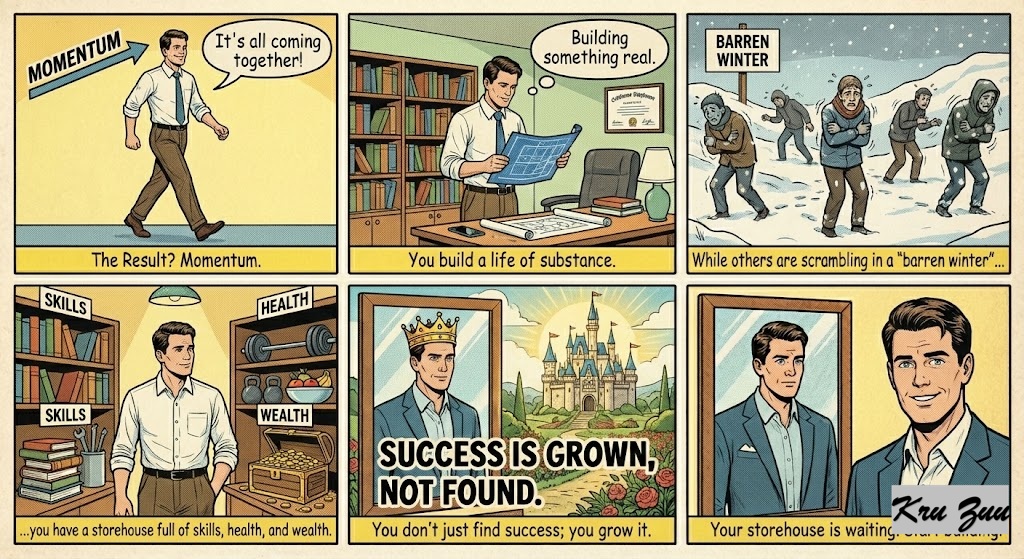
The Result? Momentum. You build a life of substance. While others are scrambling in a “barren winter,” you have a storehouse full of skills, health, and wealth. You don’t just find success; you grow it. 🏰
⚖️ The Reality
Inputs = Outputs. We live in a world of “Life Hacks” and “Get Rich Quick” schemes. But nature doesn’t care about your shortcuts. If you plant weeds, you won’t get roses. If you plant nothing, you get nothing. Your current life is simply the “harvest” of the seeds you planted six months ago.
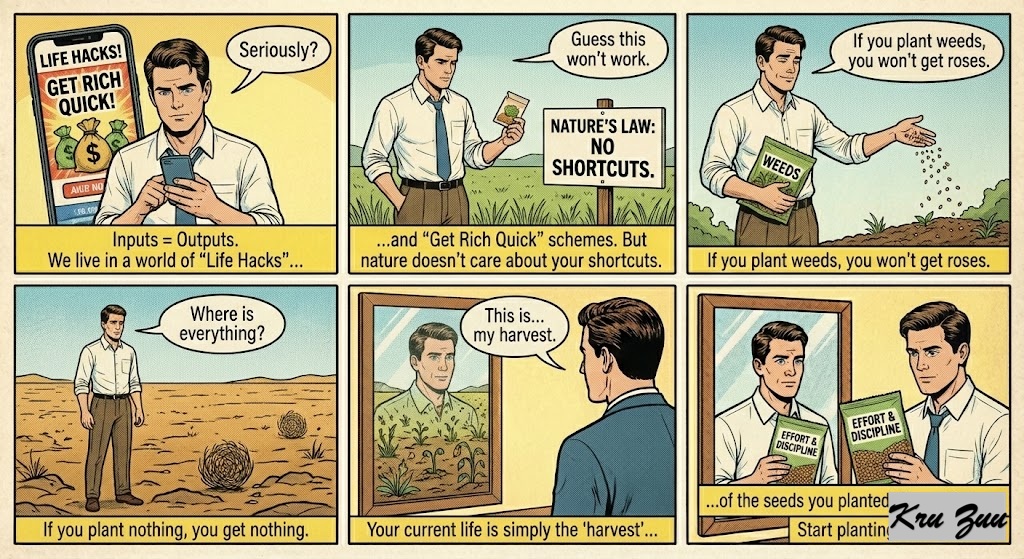
💎 The Secret
You aren’t just living your life; you are cultivating it. Every choice is a seed. Choose your seeds wisely.
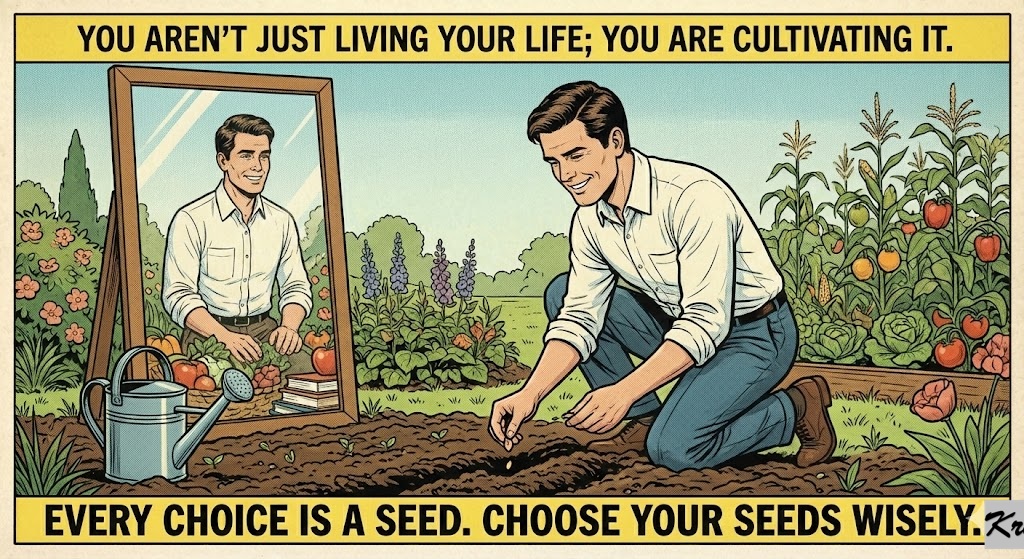
🧐 The Anatomy of the Proverb
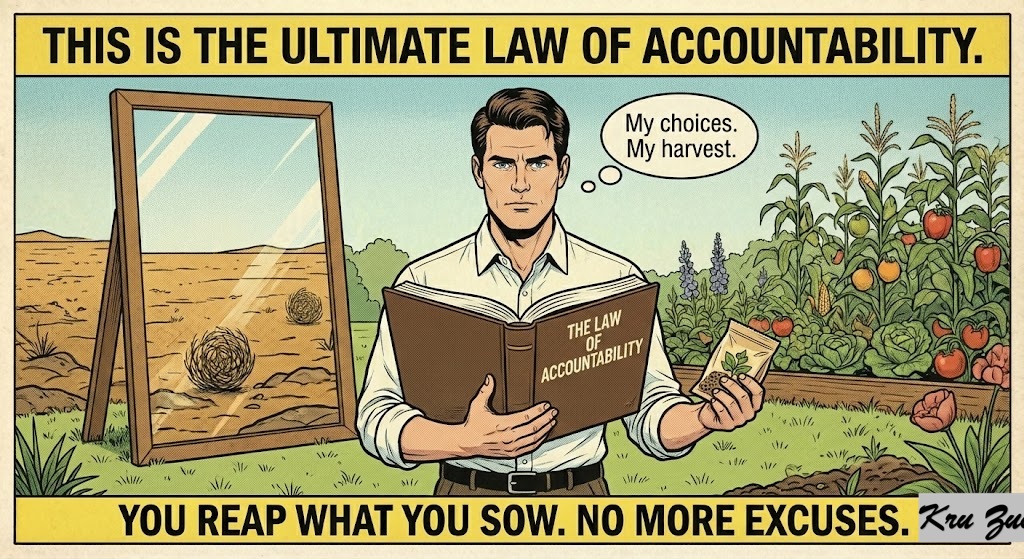
This is the ultimate law of accountability.
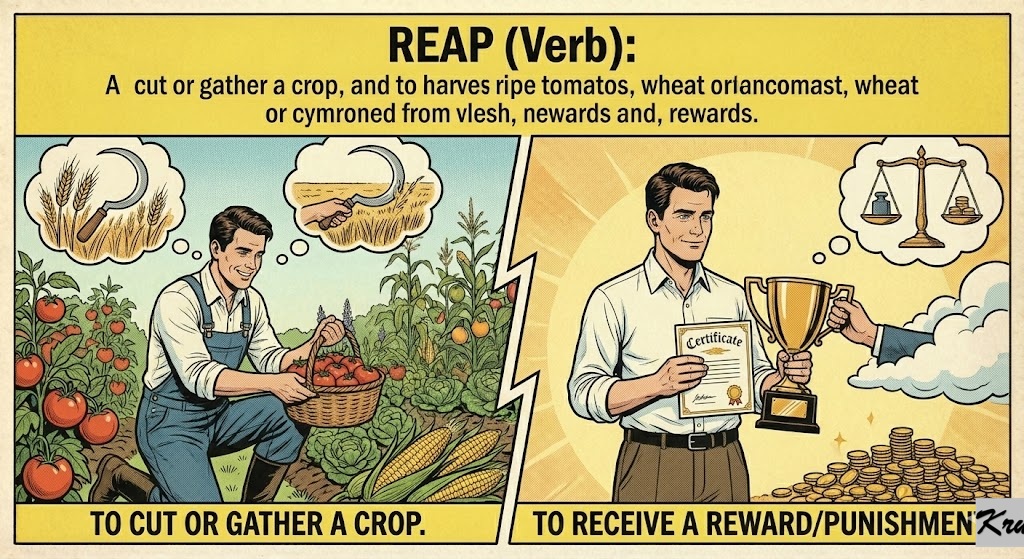
Reap (Verb): To cut or gather a crop; to receive a reward/punishment.
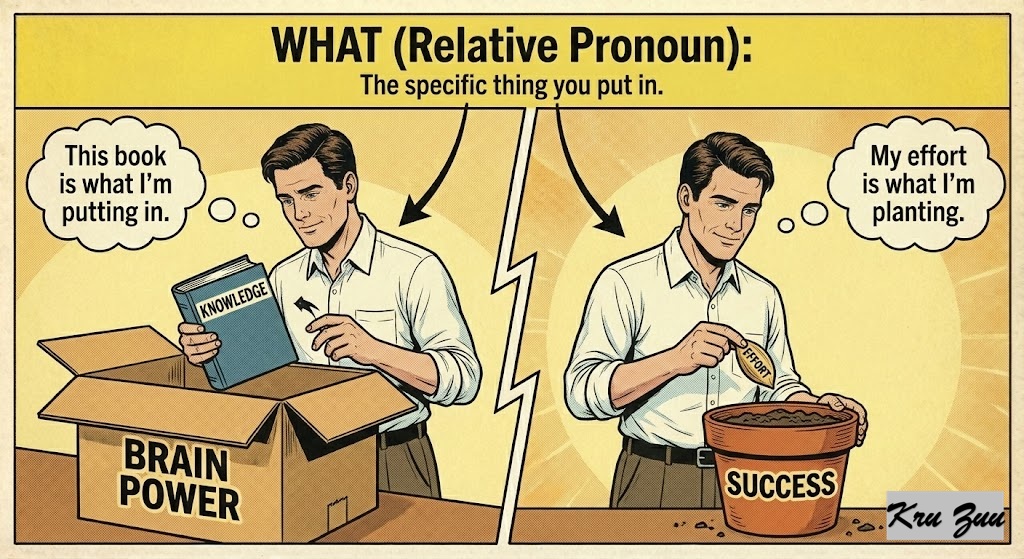
What (Relative Pronoun): The specific thing you put in.
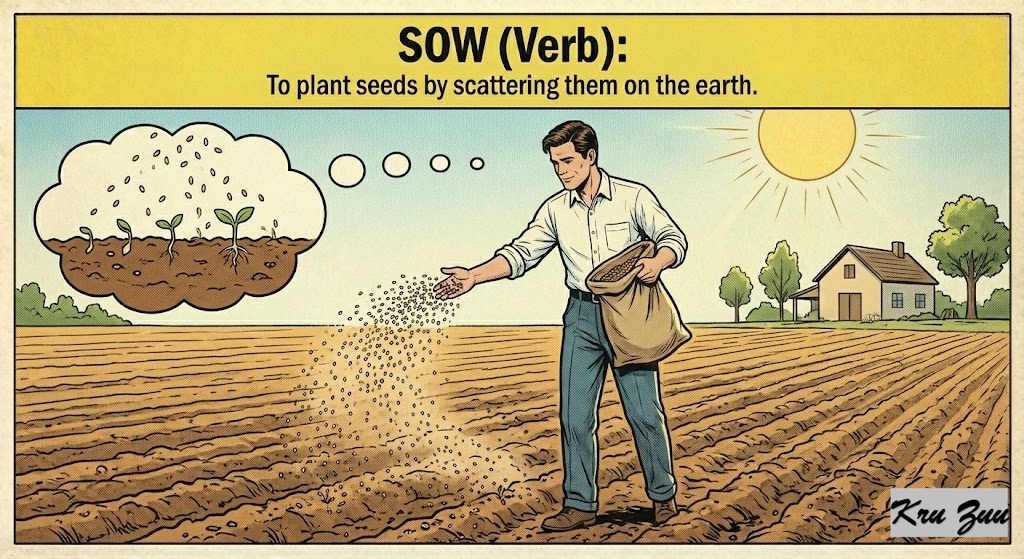
You Sow (Verb): To plant seeds by scattering them on the earth.
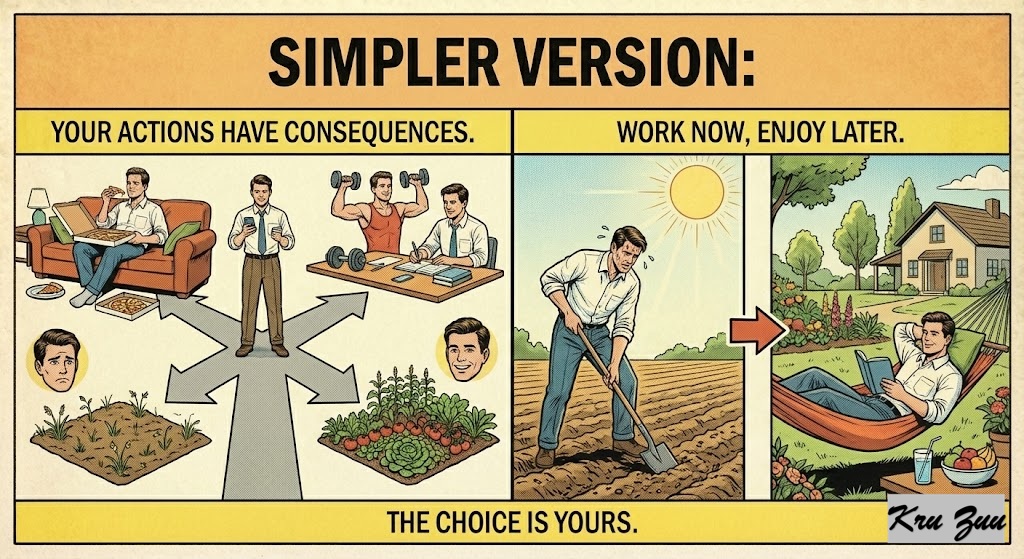
Simpler Version: Your actions have consequences. / Work now, enjoy later.
📚 Vocabulary Vault
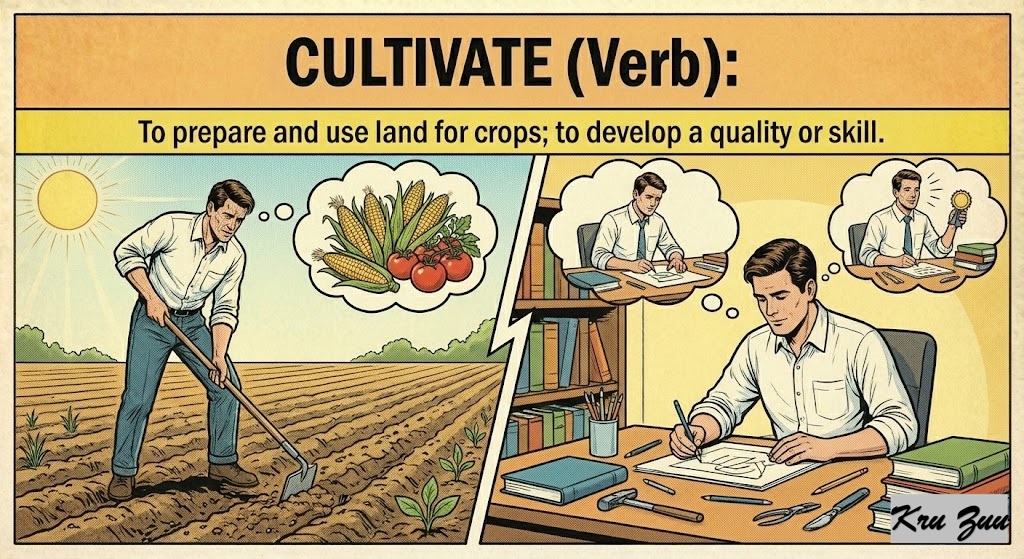
Cultivate (Verb): To prepare and use land for crops; to develop a quality or skill.
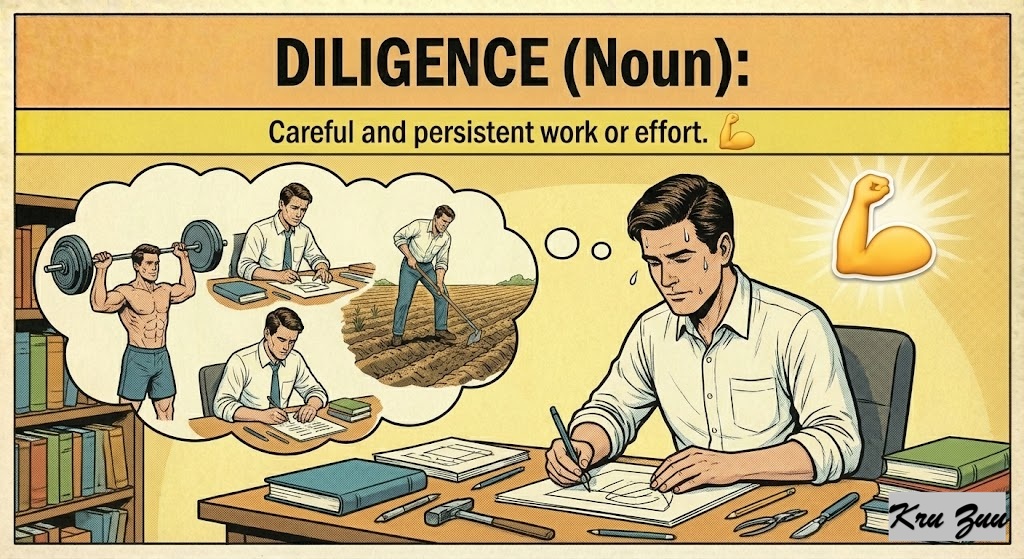
Diligence (Noun): Careful and persistent work or effort. 💪
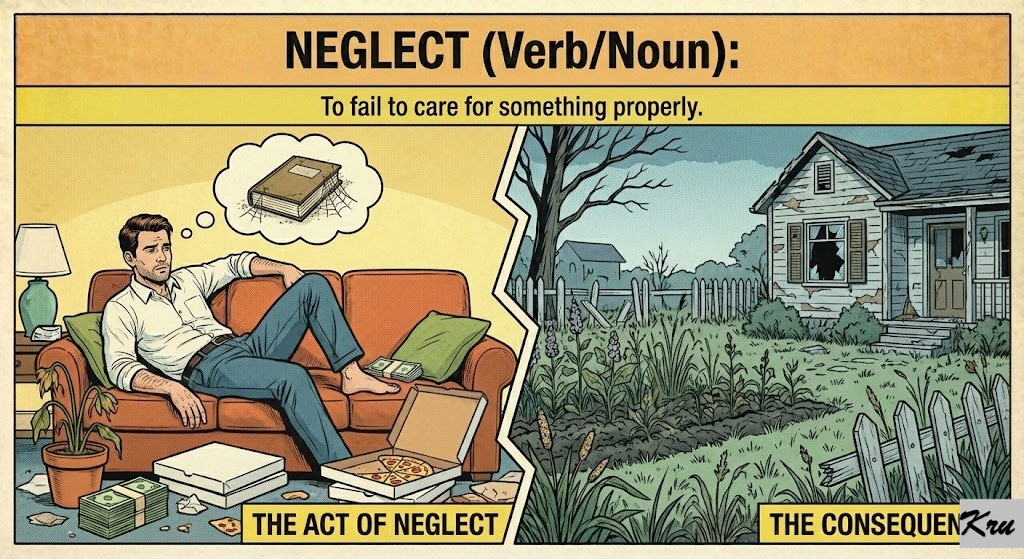
Neglect (Verb/Noun): To fail to care for something properly.
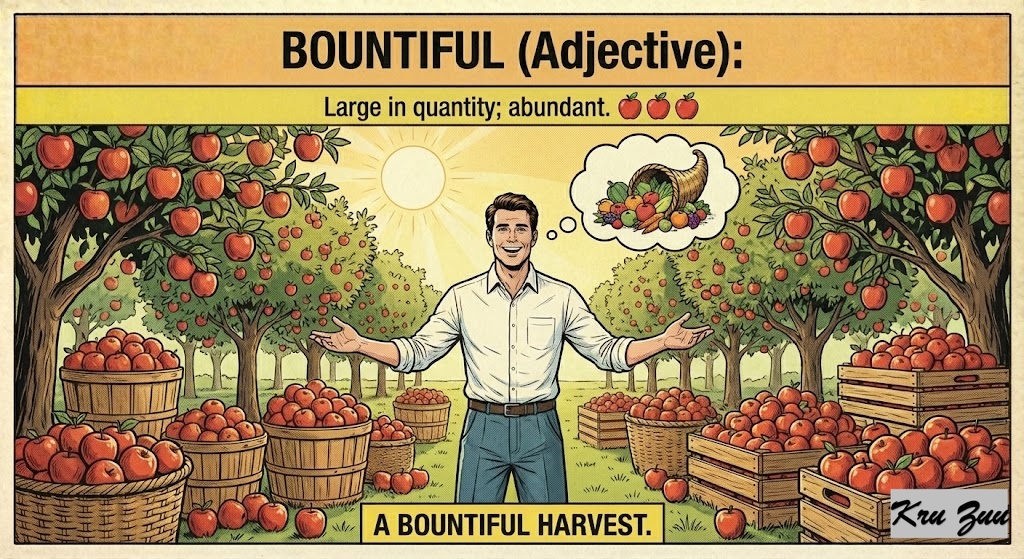
Bountiful (Adjective): Large in quantity; abundant. 🍎🍎🍎
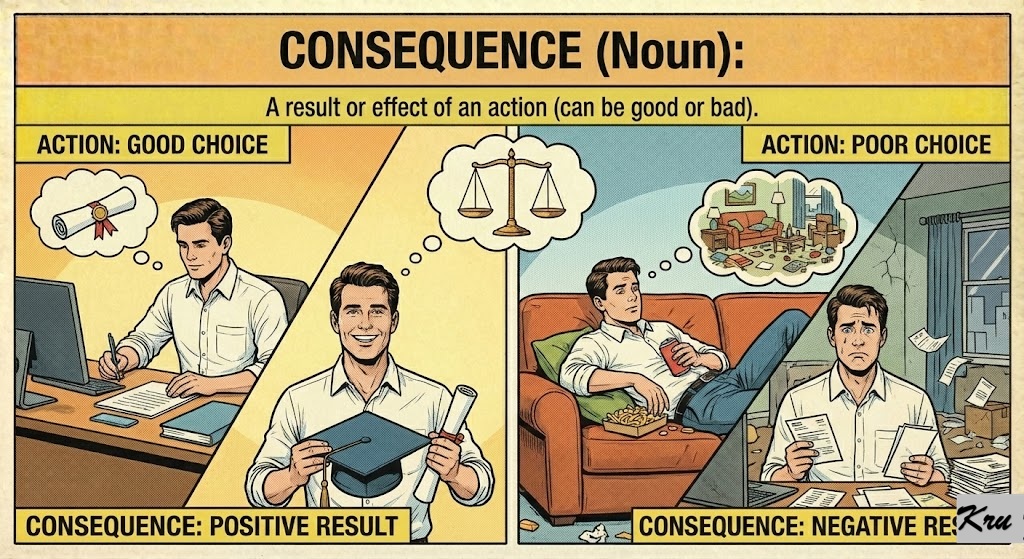
Consequence (Noun): A result or effect of an action (can be good or bad).
🧠 Grammar Focus: Idioms as Accountability Tools
We use this idiom to remind someone that they are responsible for their current situation.
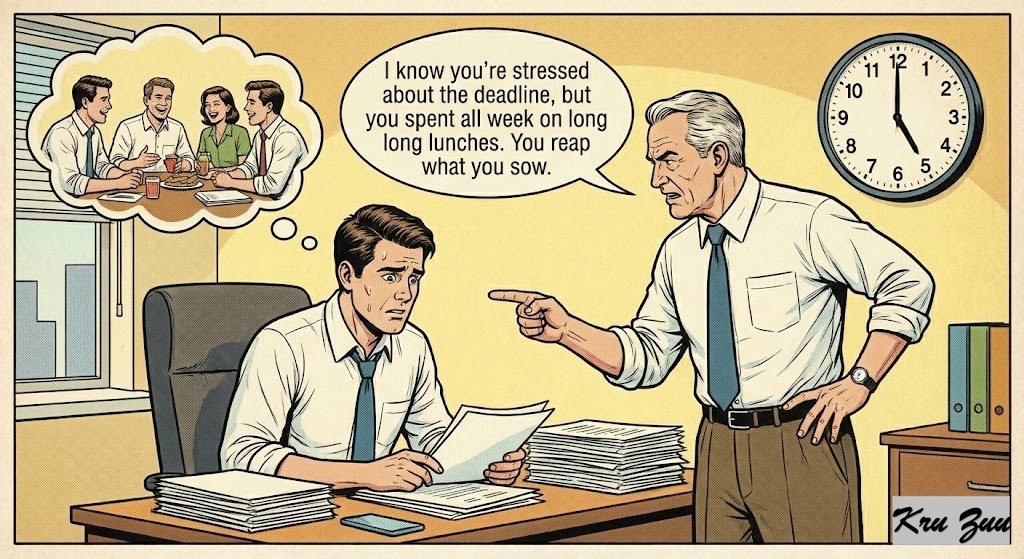
Boss to Employee: “I know you’re stressed about the deadline, but you spent all week on long lunches. You reap what you sow.”
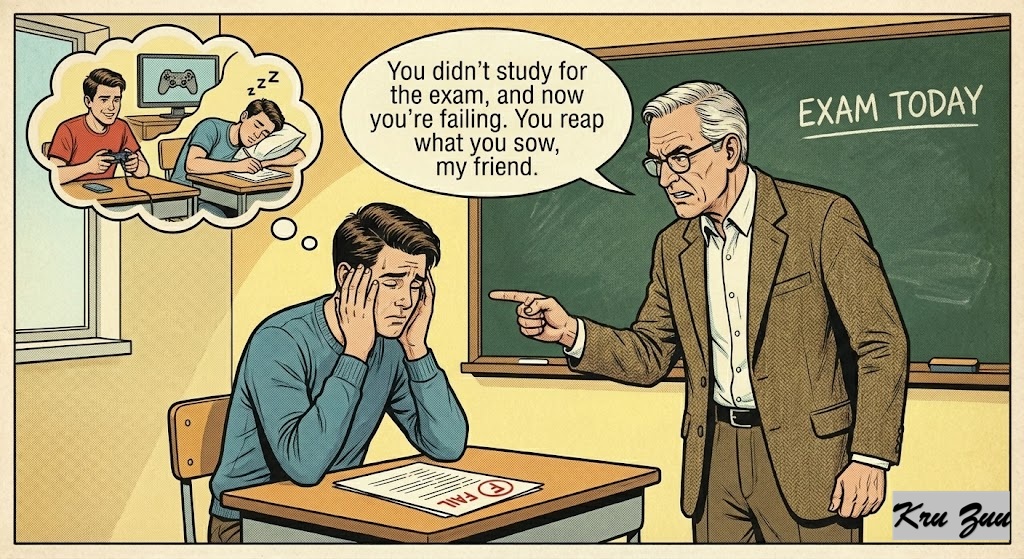
Teacher to Student: “You didn’t study for the exam, and now you’re failing. You reap what you sow, my friend.”
📜 History: Origin and Spread
Where did this agricultural wisdom start?
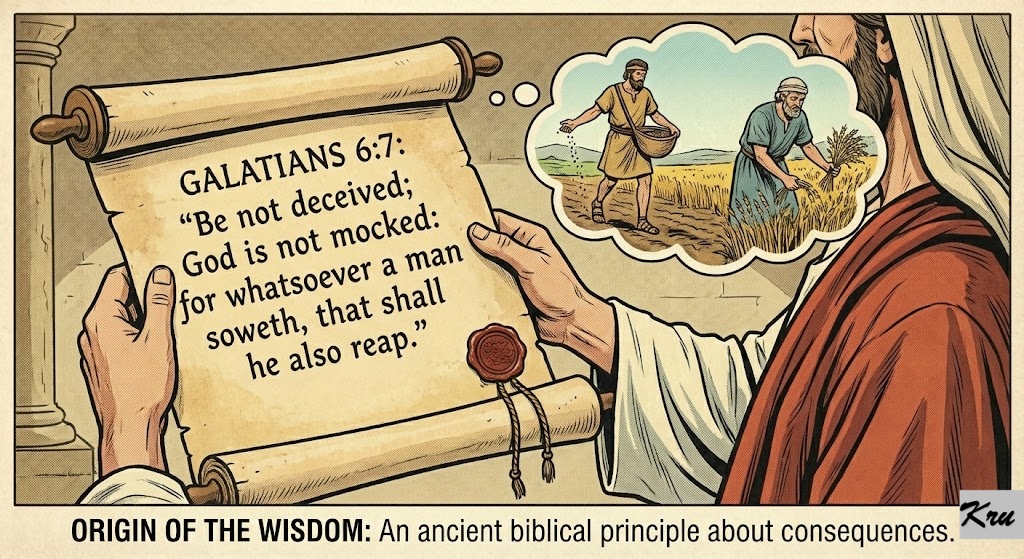
The Origin: This is one of the most famous biblical metaphors (Galatians 6:7). It was used to teach that spiritual and moral choices have eternal results.

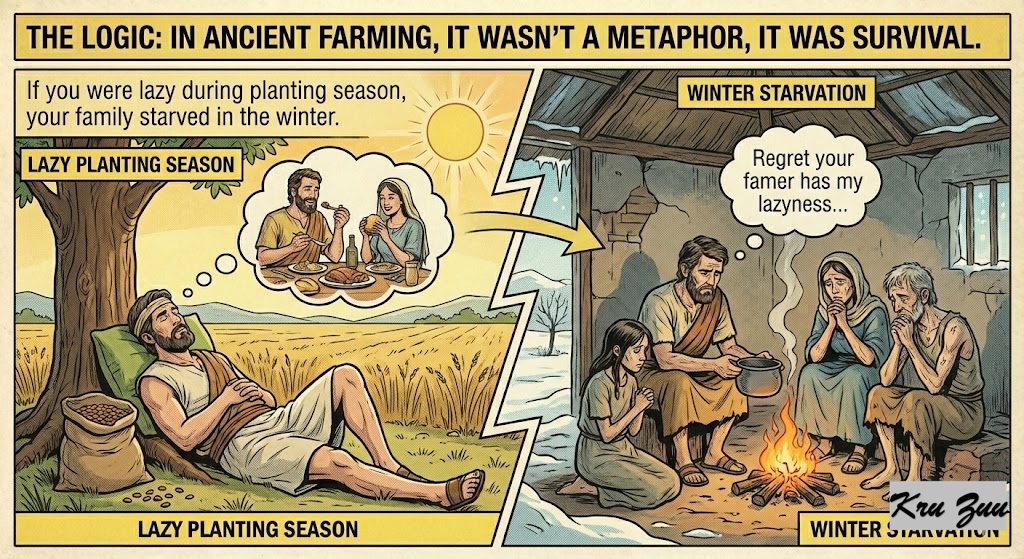
The Logic: In ancient farming, if you were lazy during planting season, your family starved in the winter. It wasn’t a “metaphor” back then, it was survival.
Global Cousins
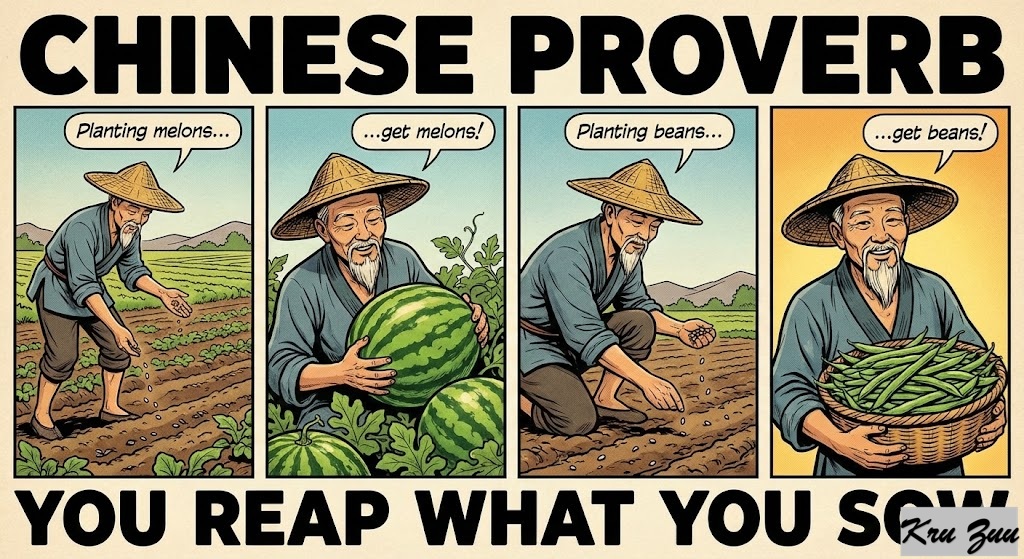
🇨🇳 Chinese: “You reap what you sow” (种瓜得瓜, 种豆得豆 – Plant melons, get melons; plant beans, get beans).
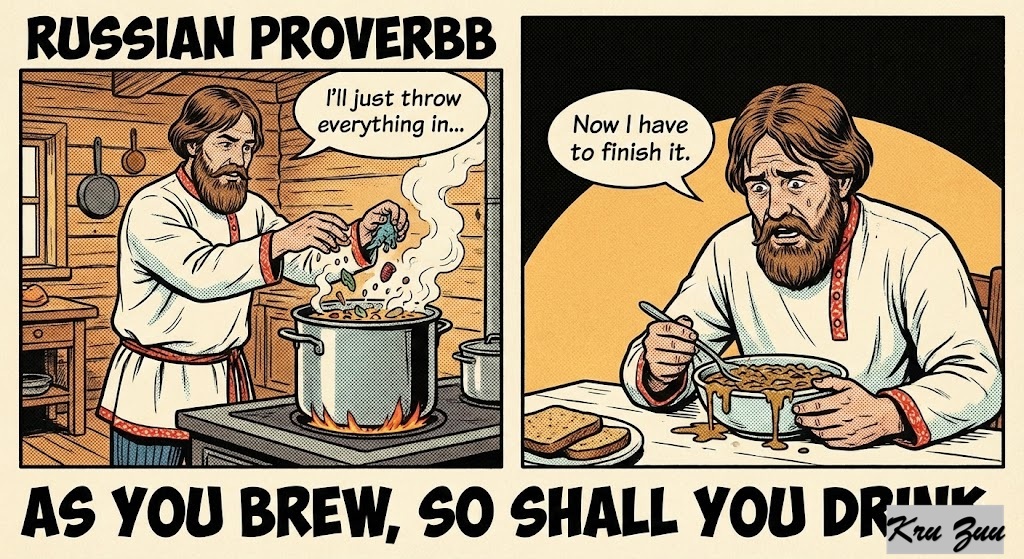
🇷🇺 Russian: “As you brew, so shall you drink.” (Что заварил, то и расхлёбывай).
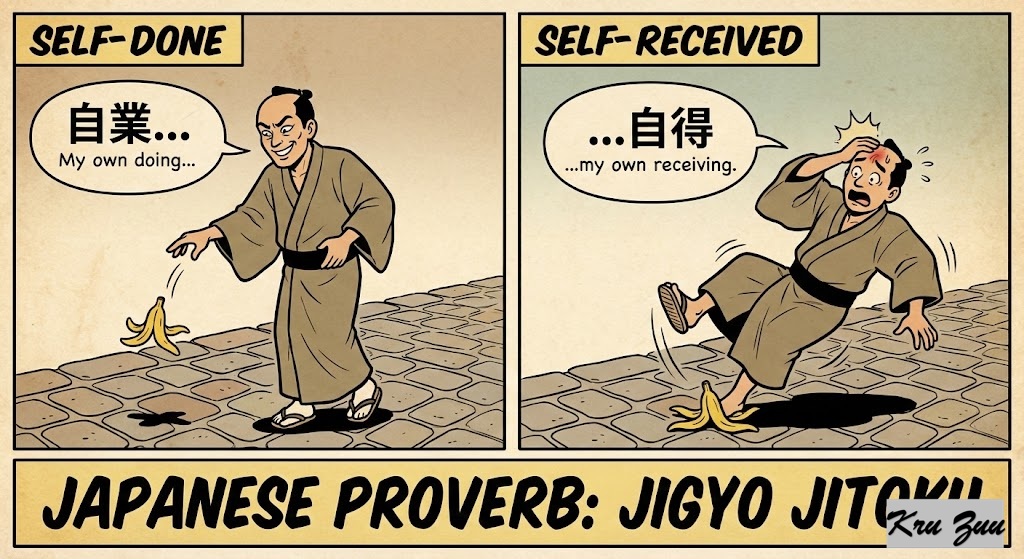
🇯🇵 Japanese: “Self-done, self-received” (自業自得 – Jigyo Jitoku).
🎭 Short Story: The Great Tomato Festival 🍅🐱🐔🐸
🌟 The Cast
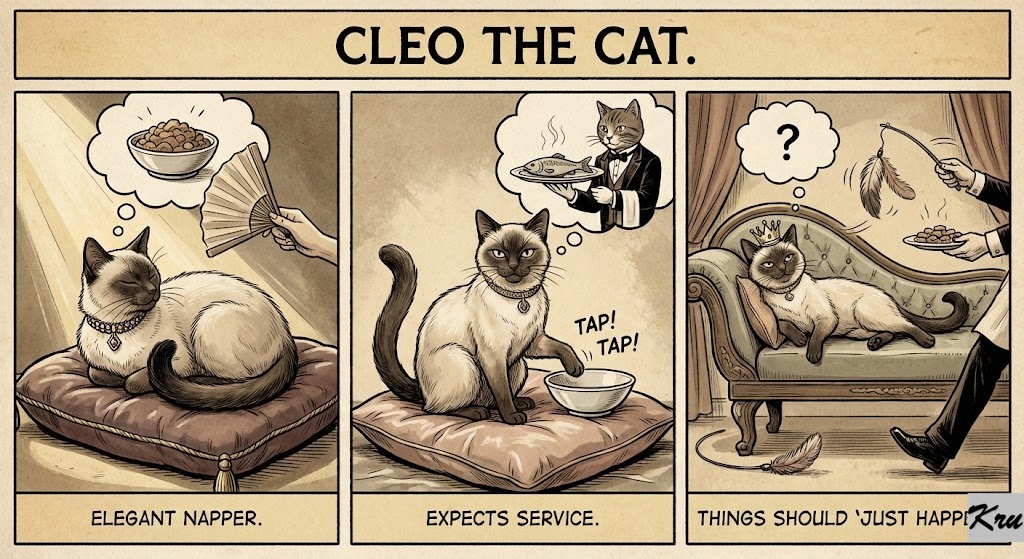
Cleo the Cat: Elegant, loves napping, expects things to “just happen.” 😼
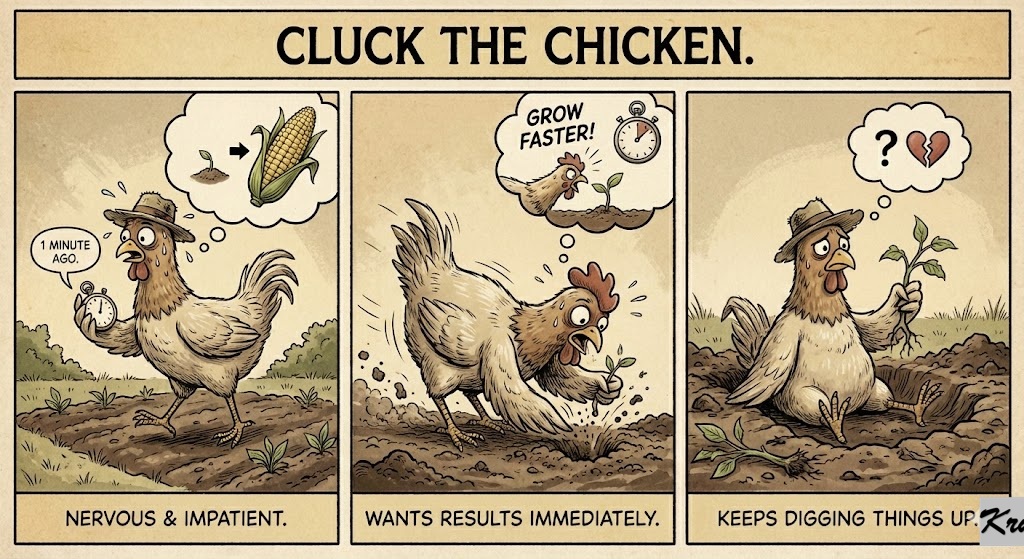
Cluck the Chicken: Nervous, wants results immediately, keeps digging things up. 🐔
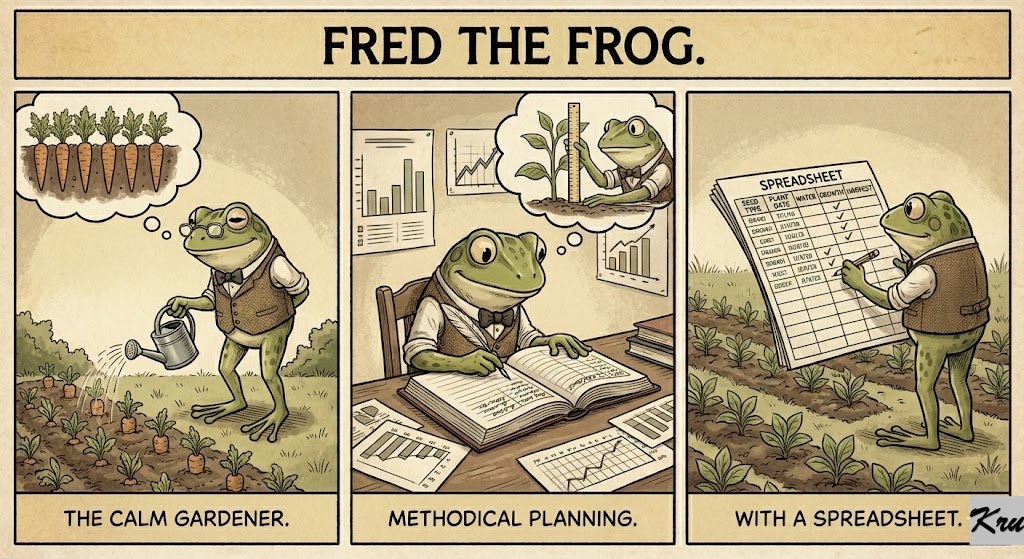
Fred the Frog: The calm, methodical gardener with a spreadsheet. 🐸
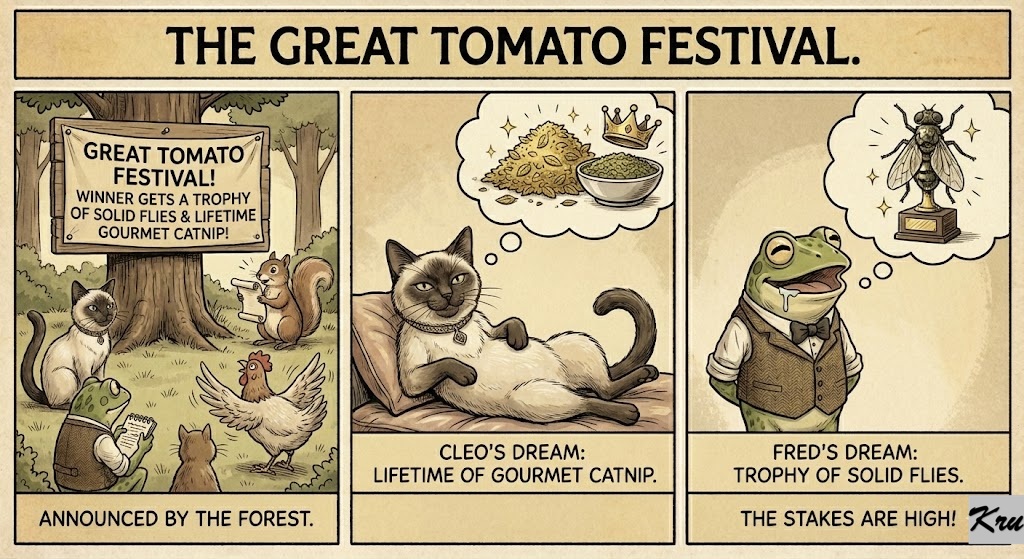
The Situation: The forest announced a “Great Tomato Festival.” The winner gets a trophy made of solid flies (Fred’s dream) and a lifetime of gourmet catnip (Cleo’s dream).
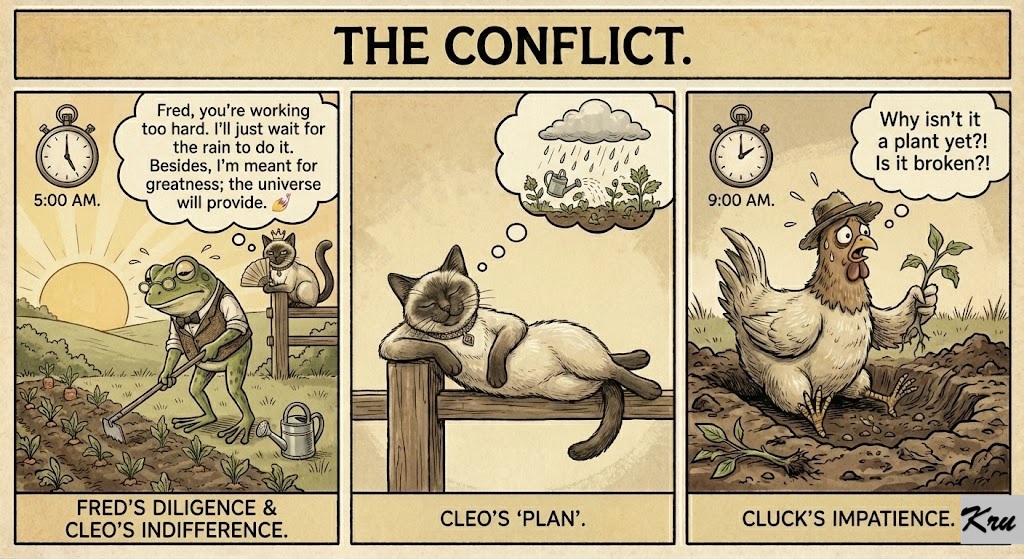
The Conflict: Fred spent weeks preparing the soil. He watered every morning at 5:00 AM. Cleo watched from the fence. “Fred, you’re working too hard. I’ll just wait for the rain to do it. Besides, I’m meant for greatness; the universe will provide.” 💅 Cluck planted his seeds, but every two hours, he dug them up to see if they were growing yet. “Why isn’t it a plant yet?! Is it broken?!” 🐔
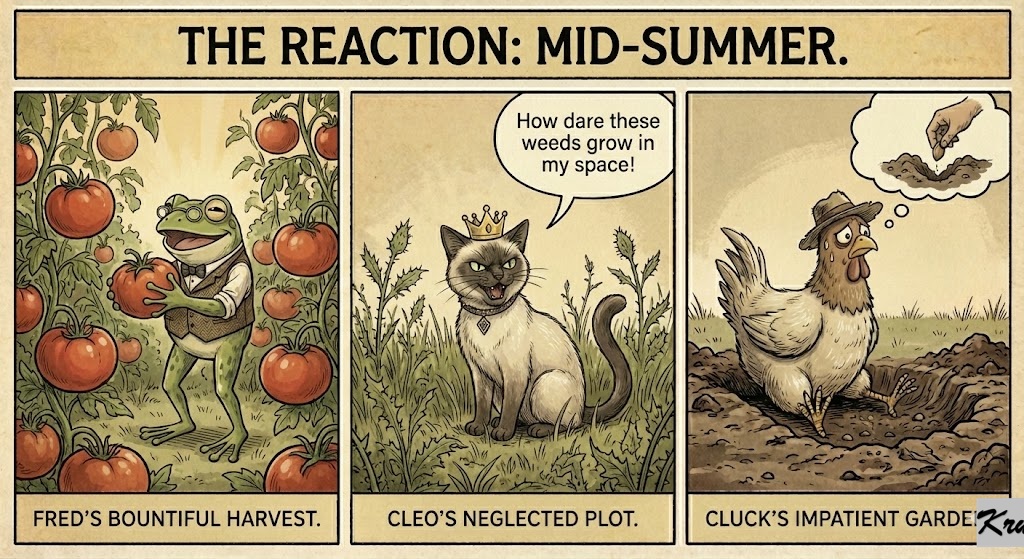
The Reaction: By mid-summer, Fred’s garden was a jungle of red, juicy tomatoes. Cleo’s plot was a patch of tall, prickly weeds. “How dare these weeds grow in my space!” she hissed. Cluck had nothing but dirt because he never let the seeds stay in the ground long enough to sprout.
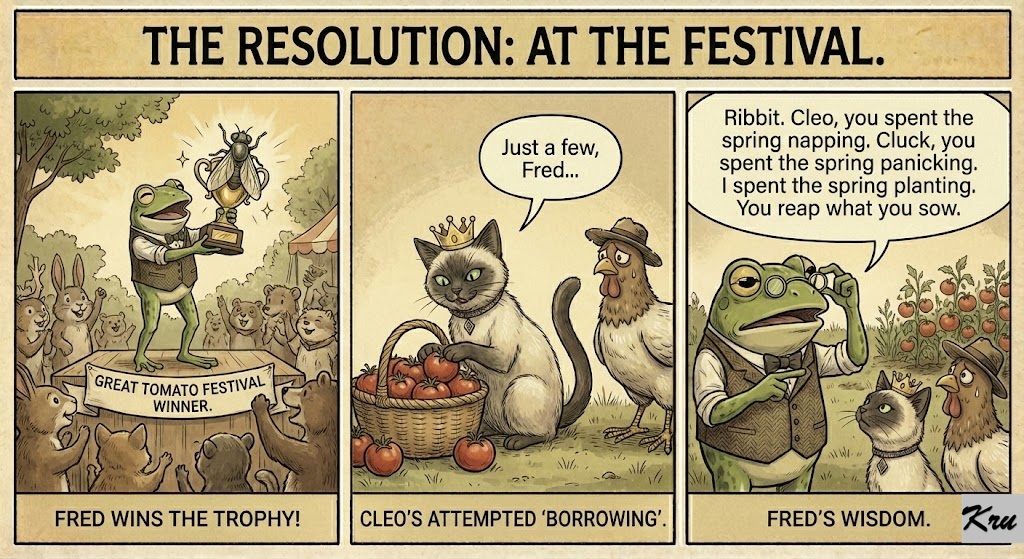
The Resolution: At the festival, Fred won the trophy. Cleo tried to “borrow” some of Fred’s tomatoes to enter. Fred adjusted his glasses. “Ribbit. Cleo, you spent the spring napping. Cluck, you spent the spring panicking. I spent the spring planting. You reap what you sow.”
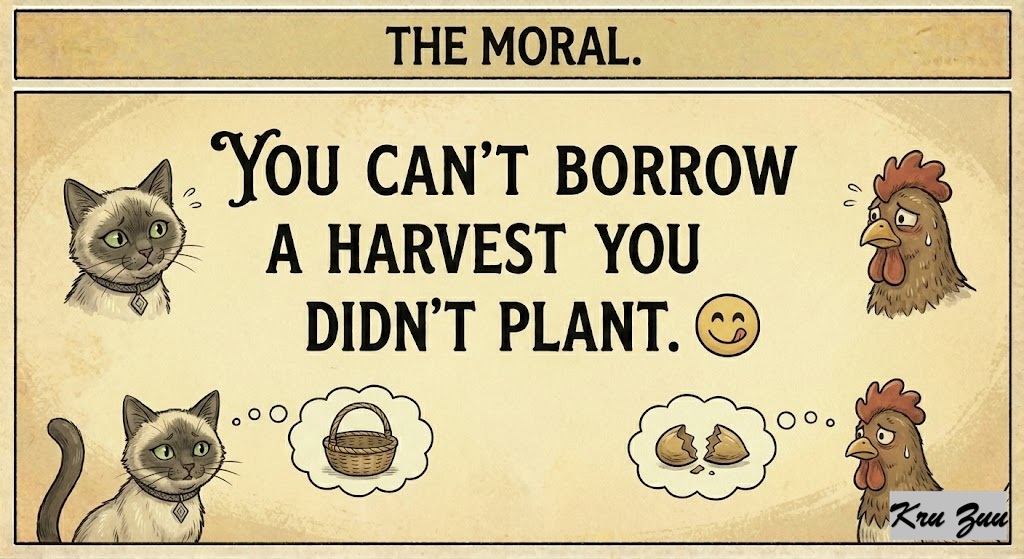
The Moral: You can’t borrow a harvest you didn’t plant. 😋
🎓 Lesson for English Learners
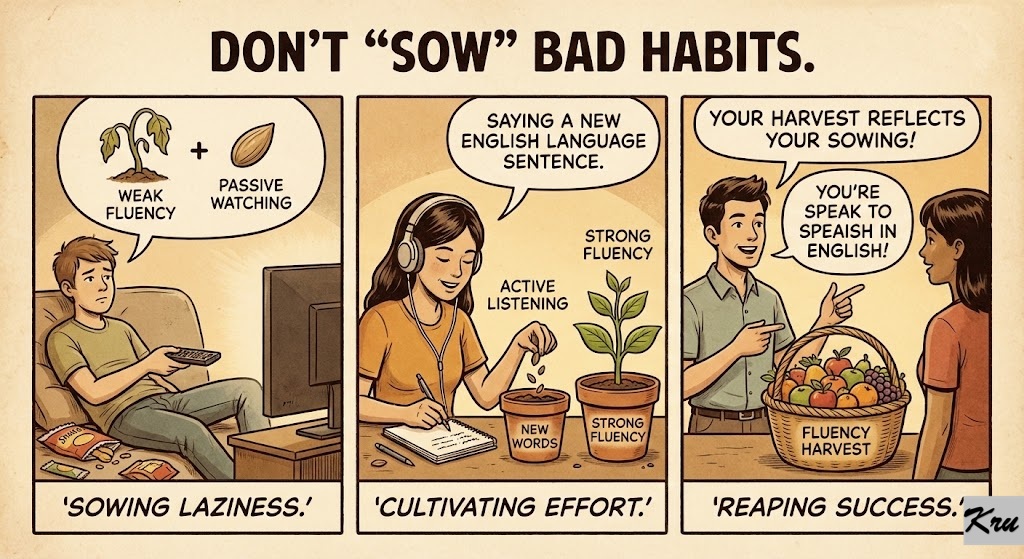
Don’t “Sow” Bad Habits. When learning English, every 10 minutes of listening is a seed. Every new word you use in a sentence is a seed. If you only “sow” passive watching without “cultivating” active speaking, your “harvest” (fluency) will be weak.
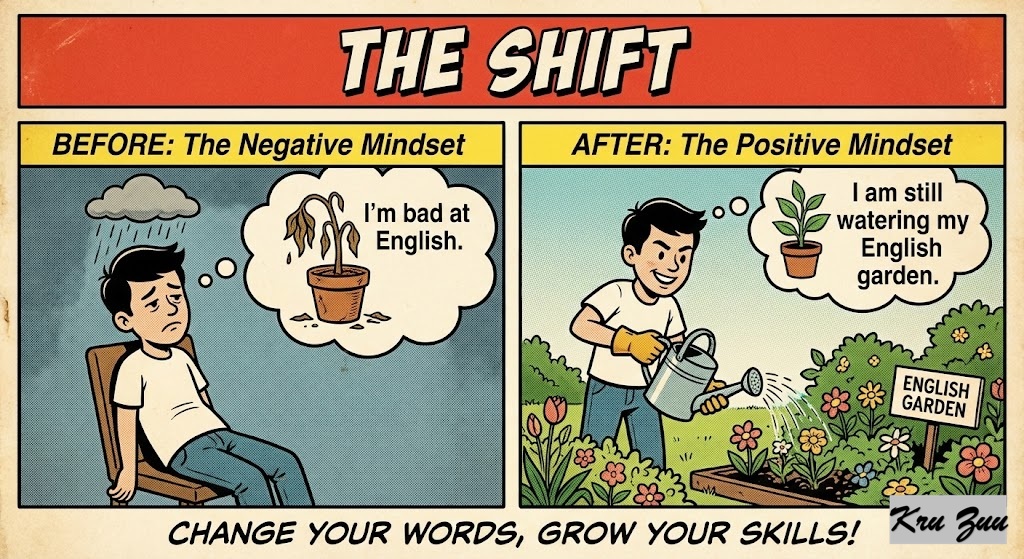
The Shift: Stop saying “I’m bad at English.” Start saying “I am still watering my English garden.”
💬 Your Turn: The “Daily Seed” Challenge 🚀
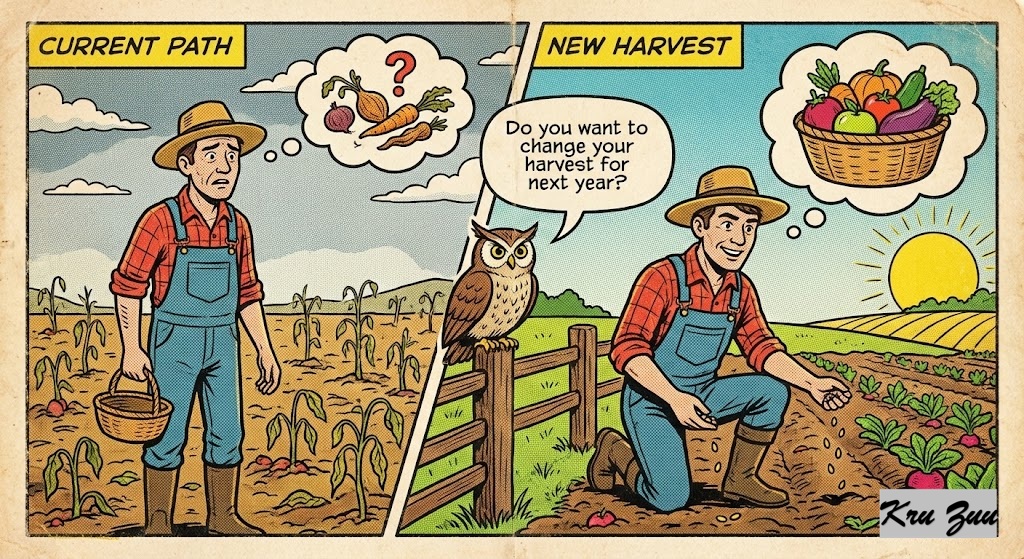
Do you want to change your harvest for next year?
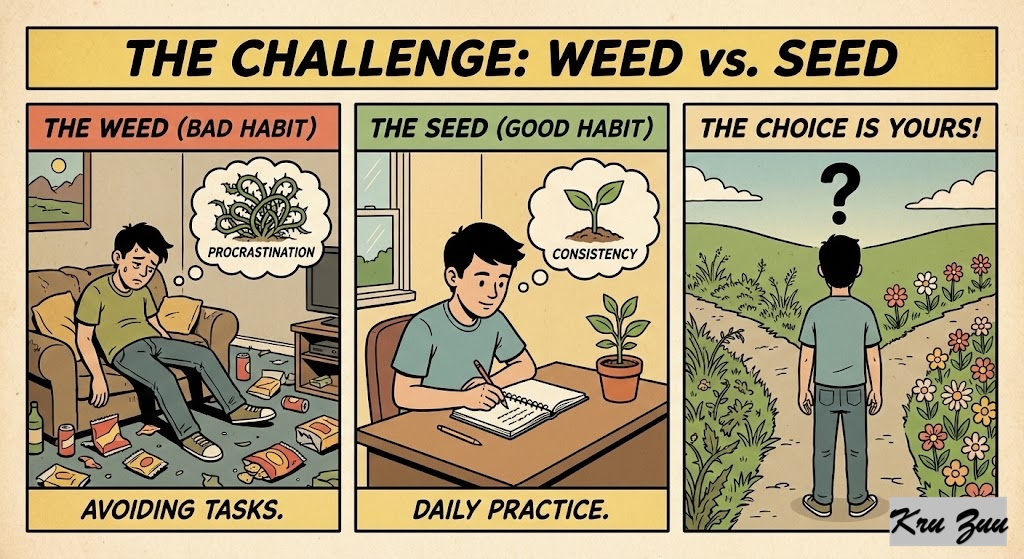
The Challenge: Identify one “Weed” (bad habit) and one “Seed” (good habit).
The Action
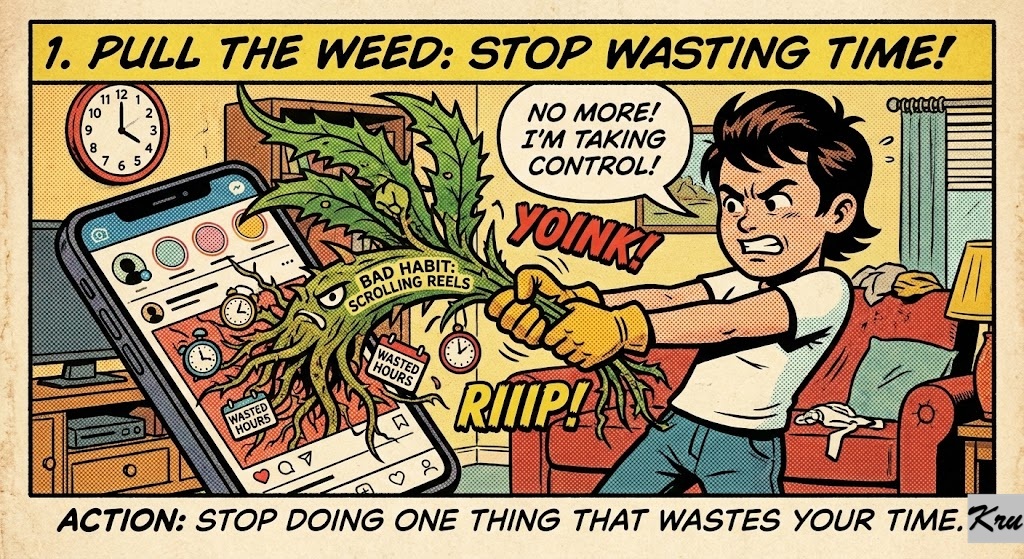
1. Pull the Weed: Stop doing one thing that wastes your time (e.g., scrolling Reels for an hour).
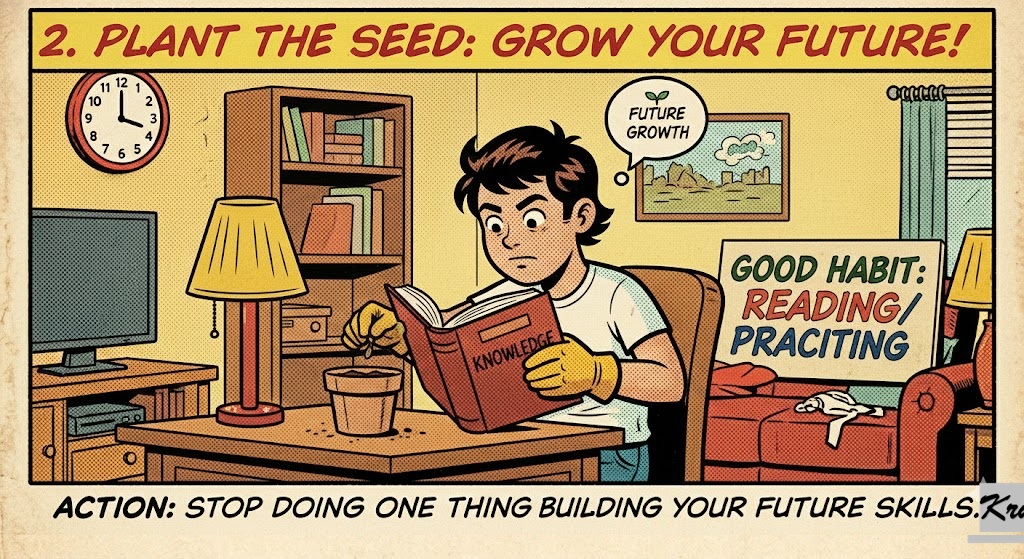
2. Plant the Seed: Spend that same hour on one thing that grows your future (e.g., reading a book, practicing a skill).
👇 Question for the comments: What is one “seed” you planted in the past that is finally starting to grow today? Let’s celebrate your harvest below!
https://www.facebook.com/BrainBattleground/
https://www.facebook.com/zubeyr.yurtkuran/
https://www.instagram.com/zubeyryurtkuran/

Leave a comment