“A picture is worth a thousand words.”
😈 The Villain (The Rambler)
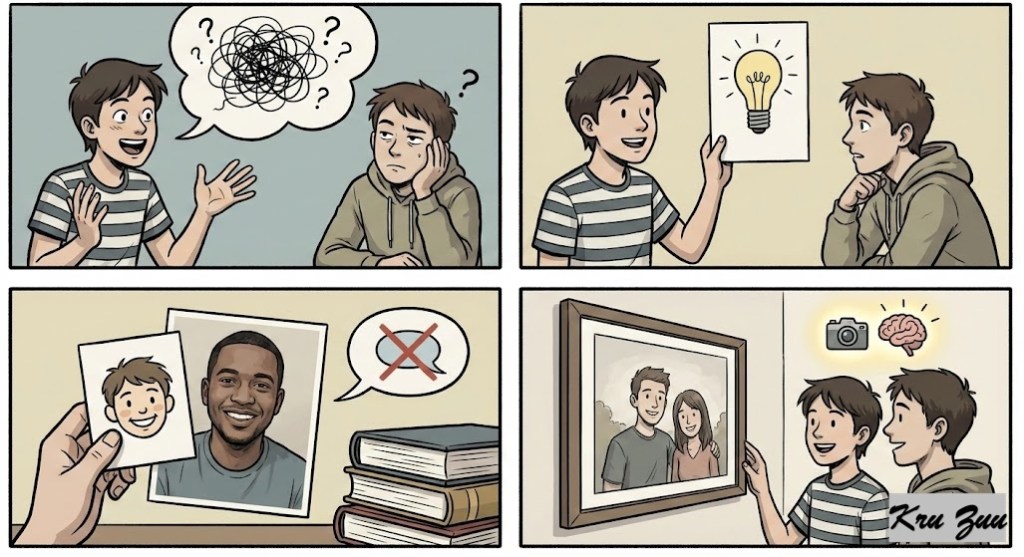
You try to describe a spiral staircase to someone over the phone without using your hands. You talk for 10 minutes. You use complex adjectives. You get frustrated. The listener is confused. You write a 3-page email explaining a simple problem on your computer screen instead of sending one screenshot. You waste energy, time, and breath. You are drowning in a sea of words. 🌊

😇 The Hero (The Illustrator)
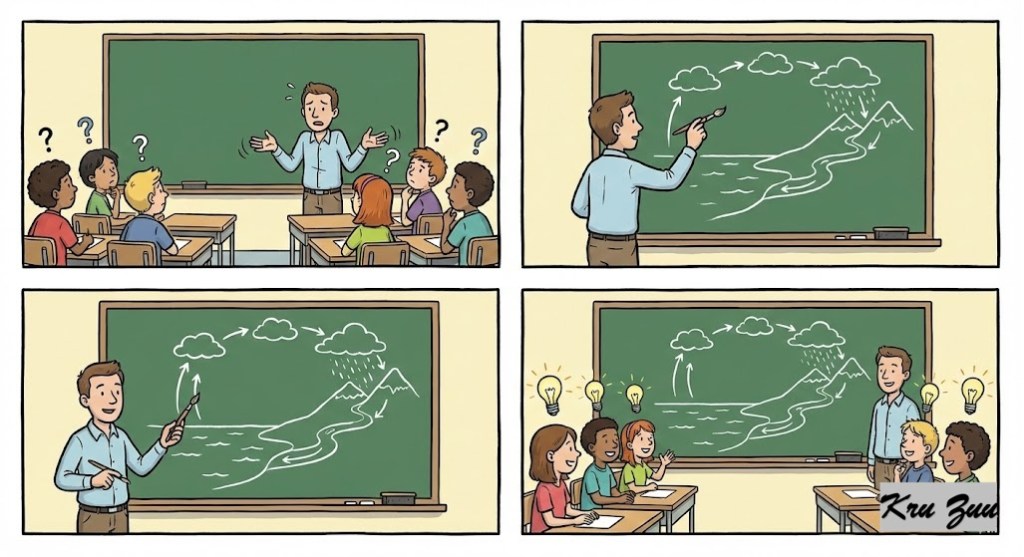
You see a problem. You don’t argue; you open your gallery. You show a chart, a photo, or a quick sketch. The room goes silent. Everyone nods. In 5 seconds, you achieved what “The Rambler” couldn’t achieve in 5 hours. You understand that the brain processes images 60,000 times faster than text. You are the master of efficiency. 🎨

⚖️ The Reality
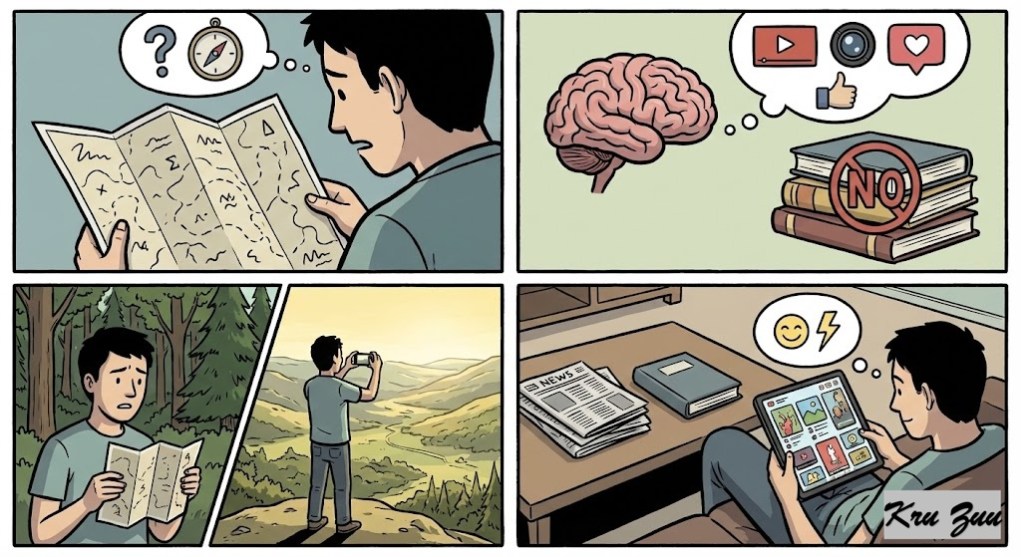
Words are abstract. Images are concrete. We live in a visual world. Instagram, TikTok, and YouTube dominate because our brains are lazy, they want the information now. Words are the map; the picture is the territory.
💎 The Secret
Stop trying to “tell” everyone everything. Start “showing” them. If you have to explain a joke, it’s not funny. If you have to explain a visual concept with 1,000 words, you’ve already lost the audience.
🧐 The Anatomy of the Proverb
Let’s break down this masterpiece of communication.
Worth (Adjective): Equivalent in value to the sum or item specified. 💰

Thousand (Number): Used here metaphorically to mean “a very large number.”
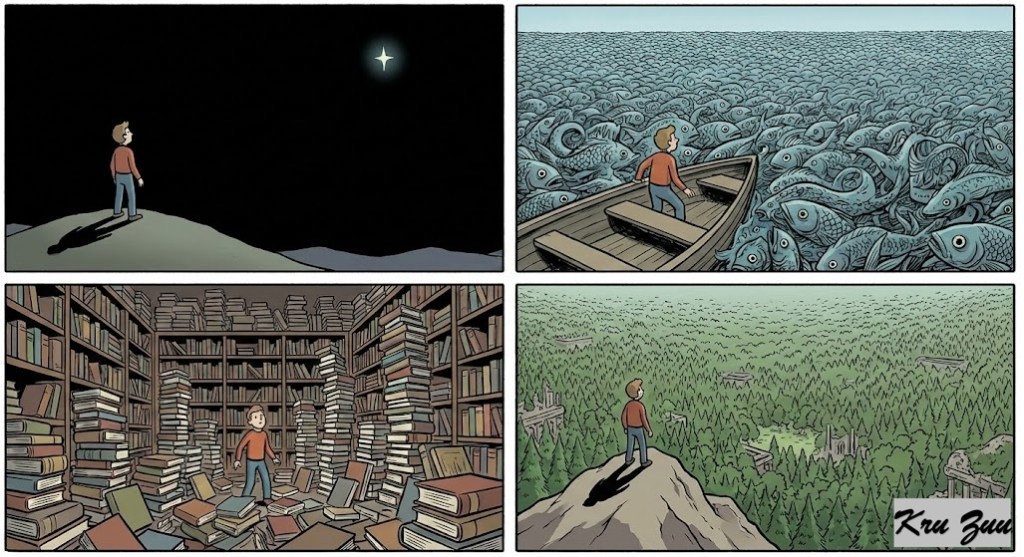
Simpler Version: Show, don’t just tell.
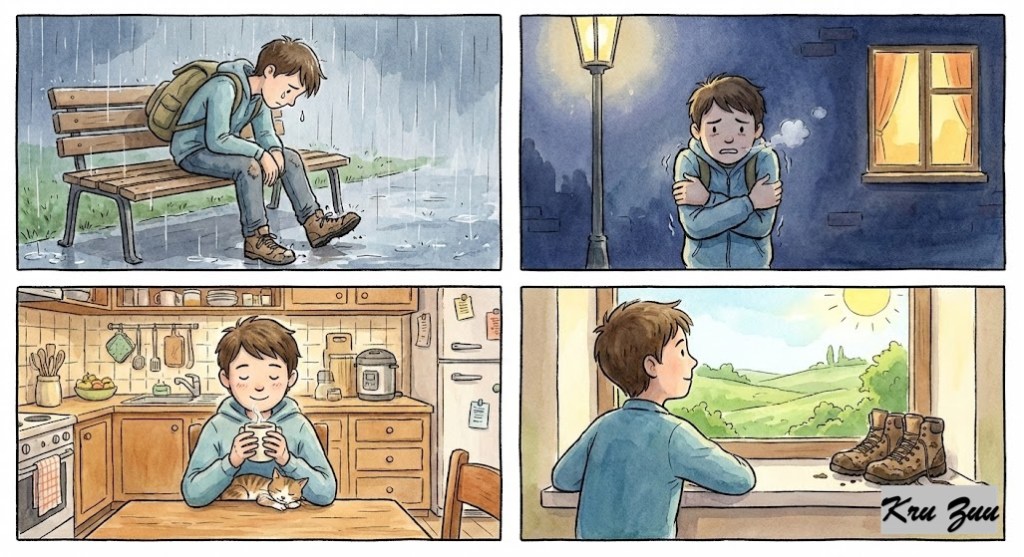
📚 Vocabulary Vault
Depict (Verb): To show or represent by a drawing, painting, or other art form.
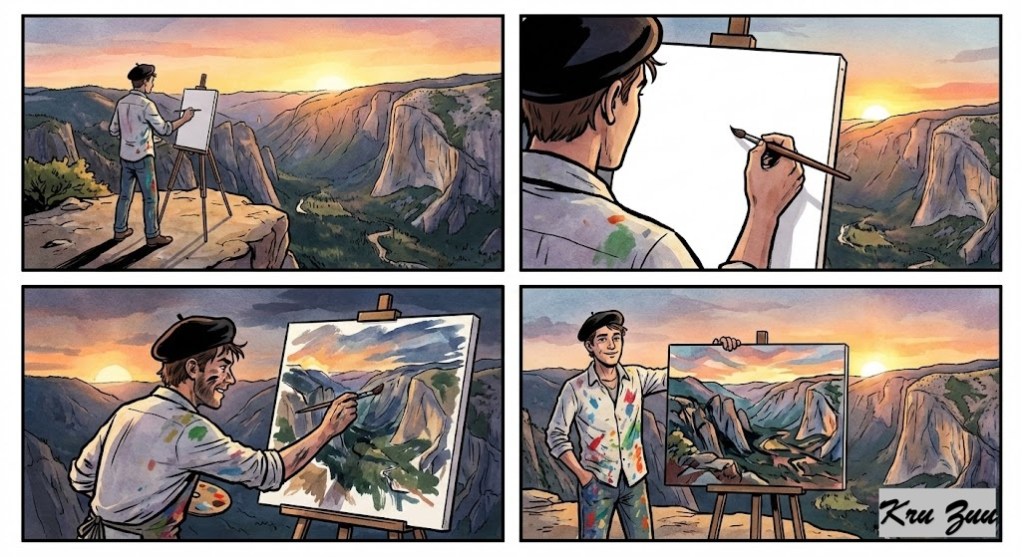
Convey (Verb): To transport or carry an idea to someone else (make an idea known). 📦

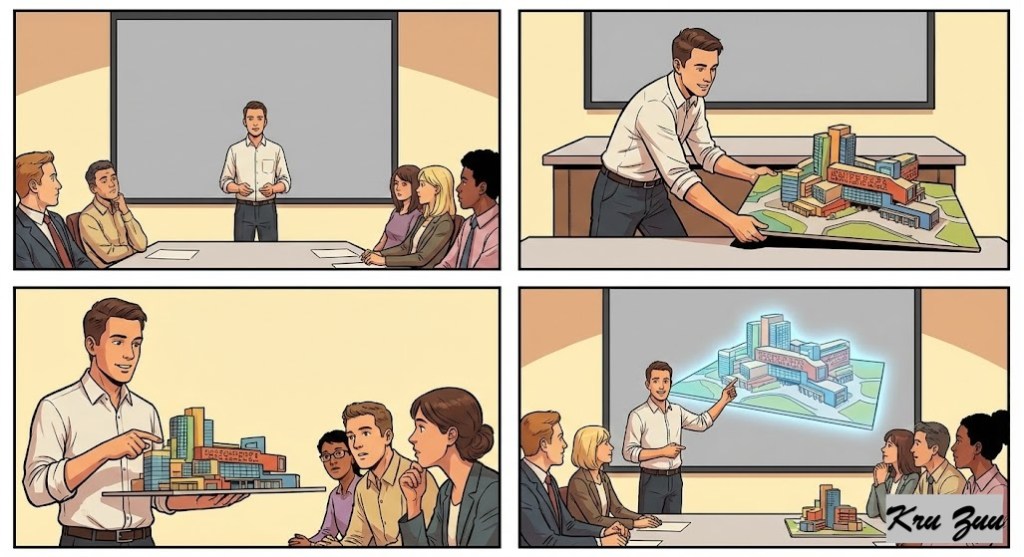
Visual Aid (Noun): An item of illustrative matter, such as a film, slide, or model, designed to supplement written or spoken information.
Perspective (Noun): A particular attitude toward or way of regarding something; a point of view.
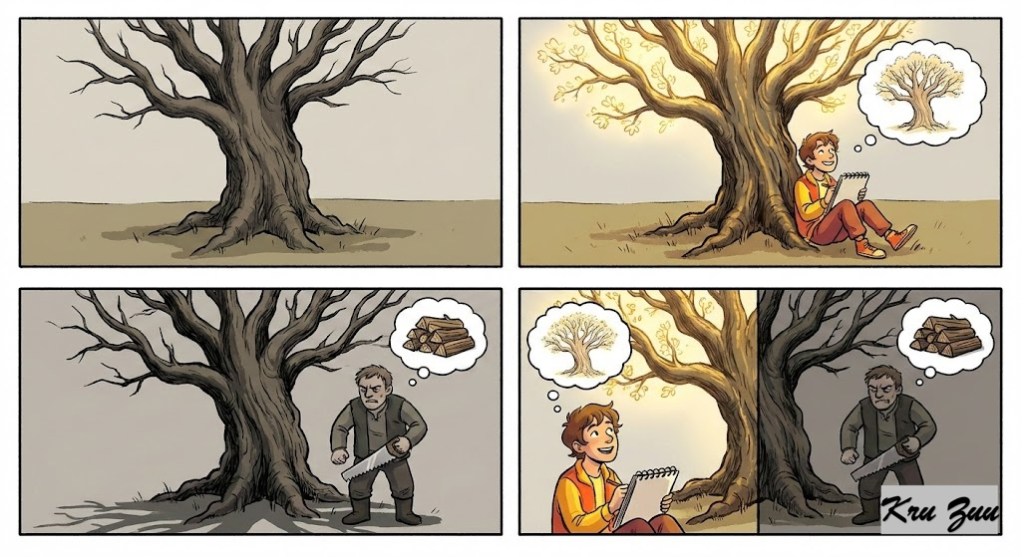
Illustrate (Verb): To explain or make (something) clear by using examples, charts, or pictures. 🖌️
🧠 Grammar Focus: “Worth” + Noun/Gerund
The word “Worth” is unique. It is followed by a noun or a verb ending in -ing (Gerund).
Structure: Subject + Be + Worth + [Noun / V-ing]
Example 1: This movie is worth watching. (Not “worth to watch”)
Example 2: It is not worth the trouble.
Example 3: A picture is worth a thousand words.
📜 History: Origin and Spread
Where did this come from?
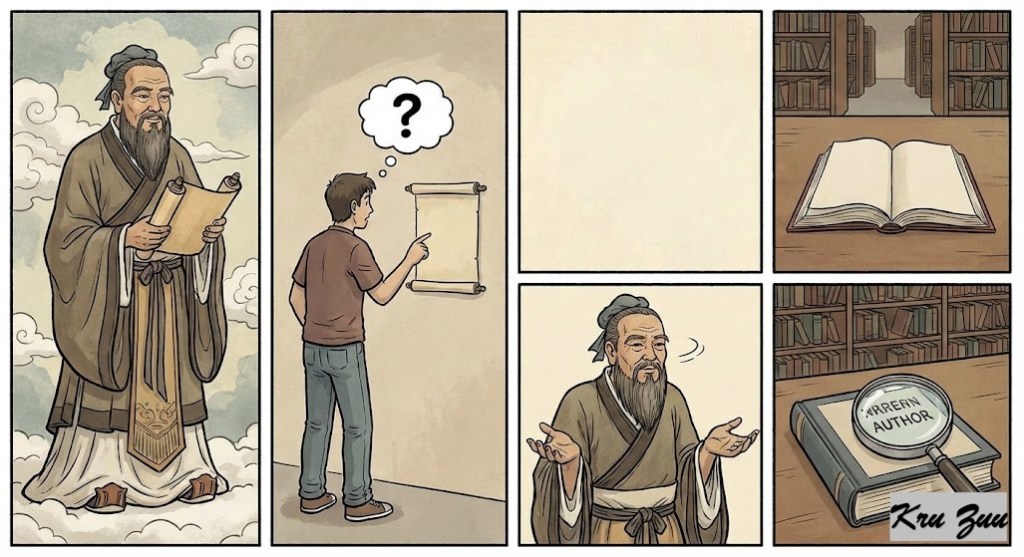
The Myth: People often think this is an ancient Chinese proverb from Confucius. It is not!
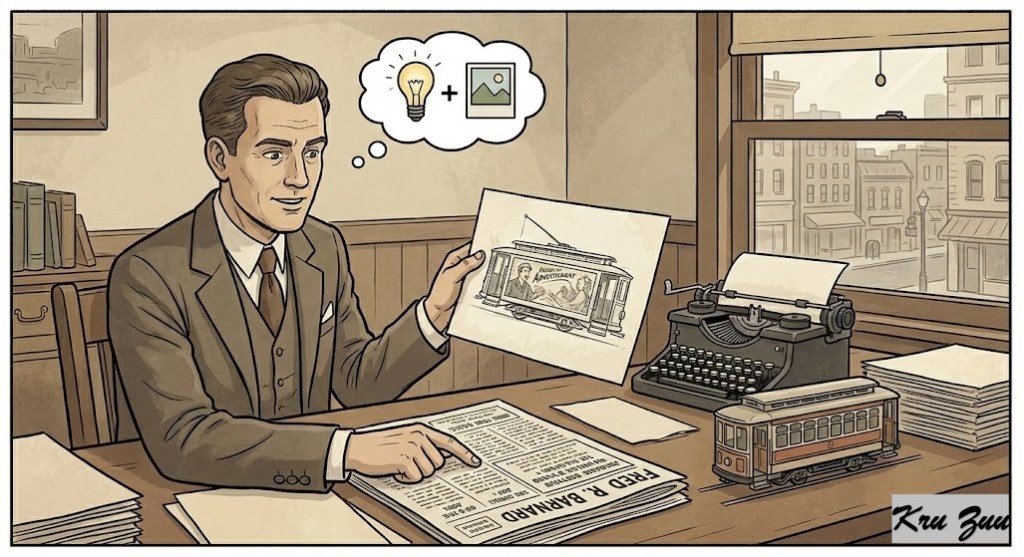
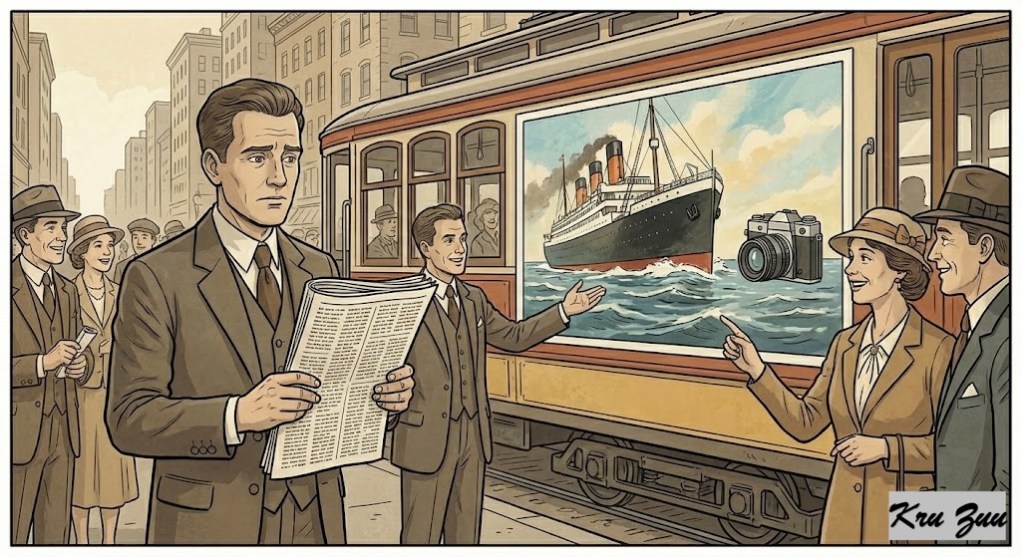
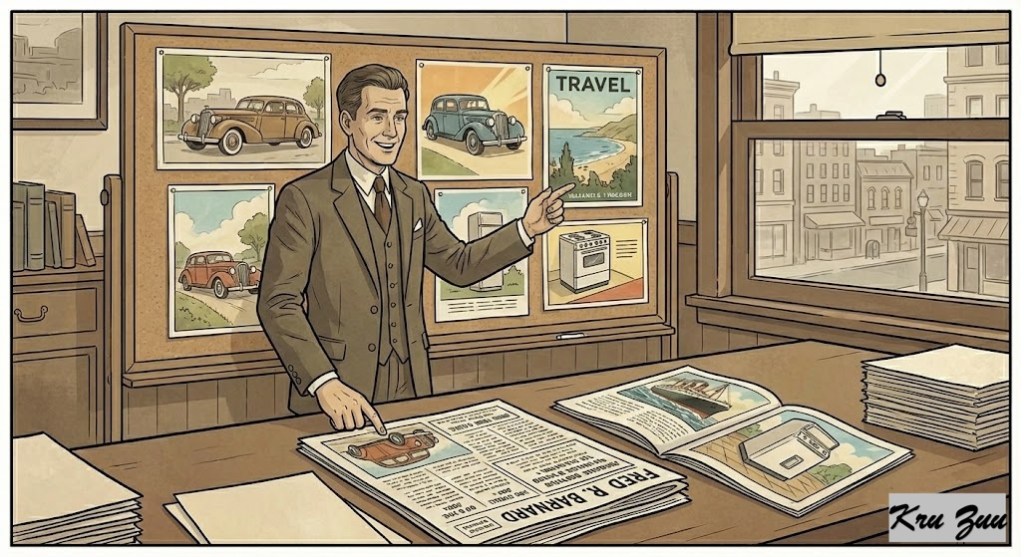
The Truth: It was actually popularized by an advertising executive named Fred R. Barnard in the 1920s to sell ads on the sides of streetcars. He wanted to prove that images sold products better than text.
Global Cousins
🇹🇷 Turkish: “Bir resim bin kelimeye bedeldir.” (Exact match!)
🇫🇷 French: “Une image vaut mille mots.”
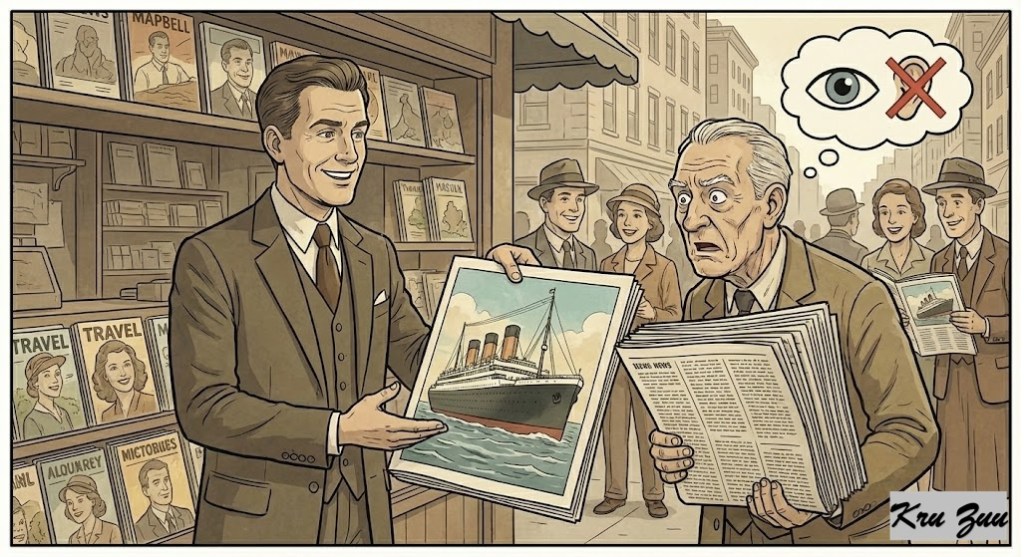
🇯🇵 Japanese: “Hyakubun wa ikken ni shikazu” (Hearing a hundred times is not as good as seeing once).
🎭 Short Story: The Monster in the Woods
Let’s visit our animal friends to see this law in action.
The Characters
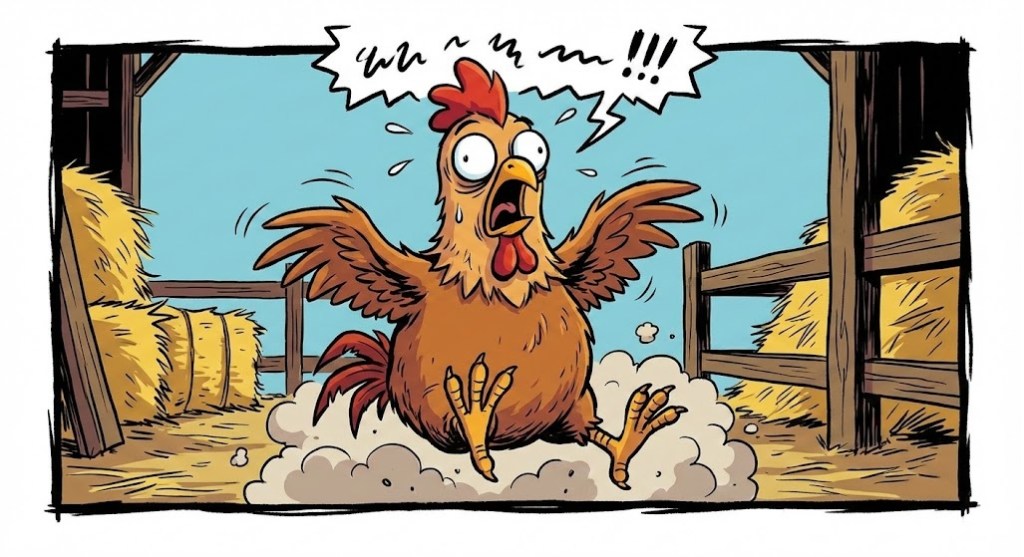
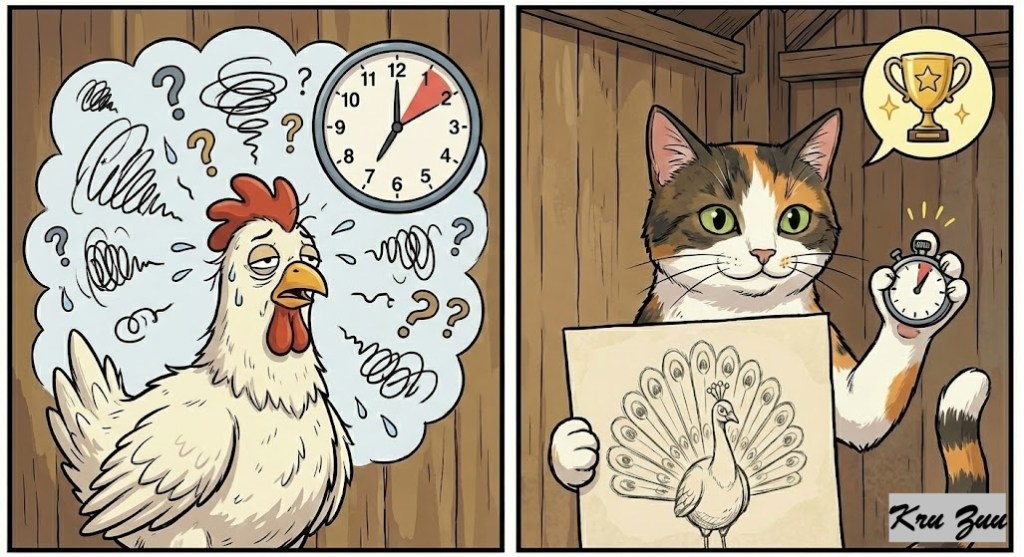
🐔 Clucky (The Chicken): Talks fast, panics easily, uses too many words.
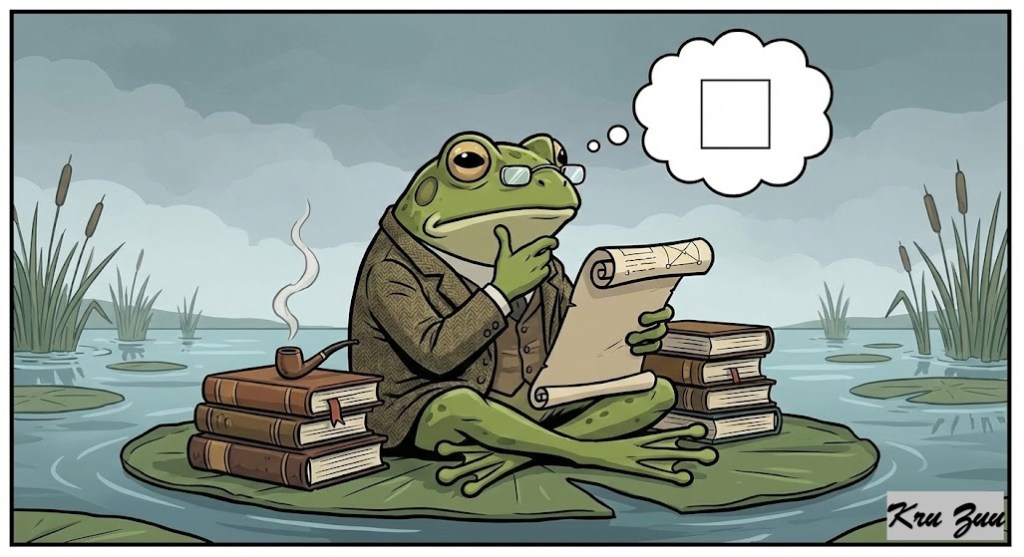
🐸 Croak (The Frog): Logical, philosophical, but lacks imagination.
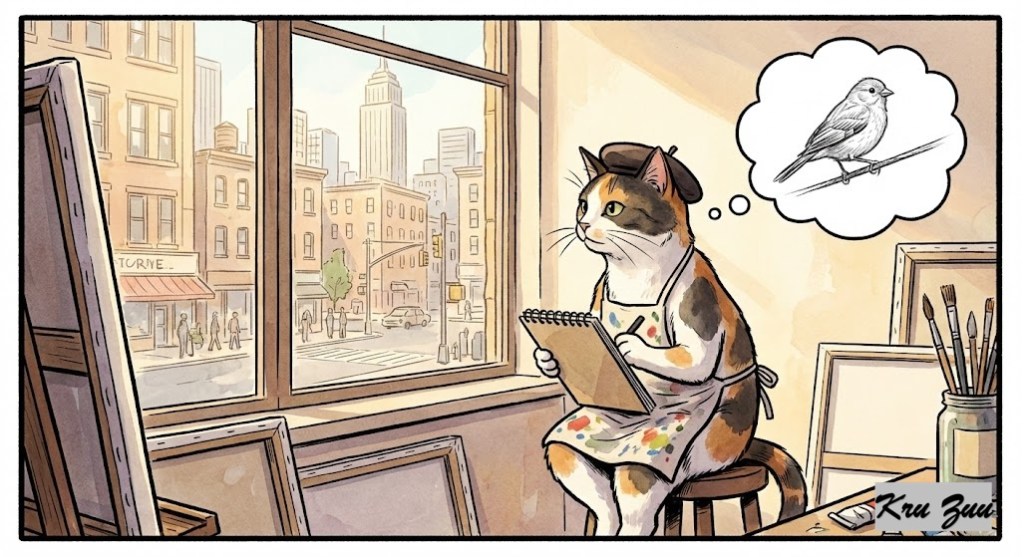
🐱 Whiskers (The Cat): The artist, observant, quiet.
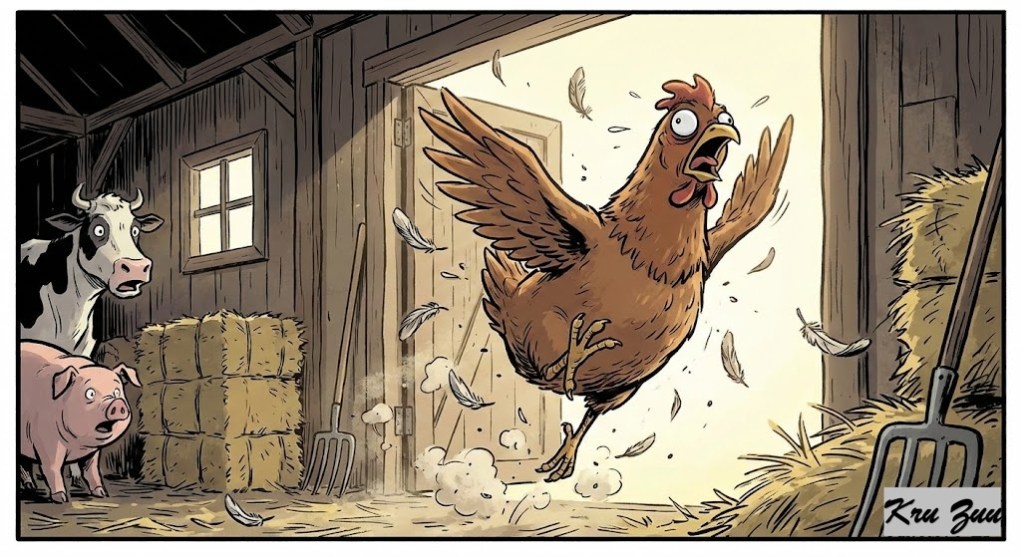
🌟 The Incident: One morning, Clucky ran into the barn, feathers flying everywhere. She had seen something terrifying in the forest.
The Conflict: “Listen to me! Listen!” Clucky screamed. “I saw a beast! It was… well, it was round but not round. It had colors like a rainbow but scary colors! It had a giant eye in the middle, and legs that were stiff like sticks! It was huge! It was looking at me!”

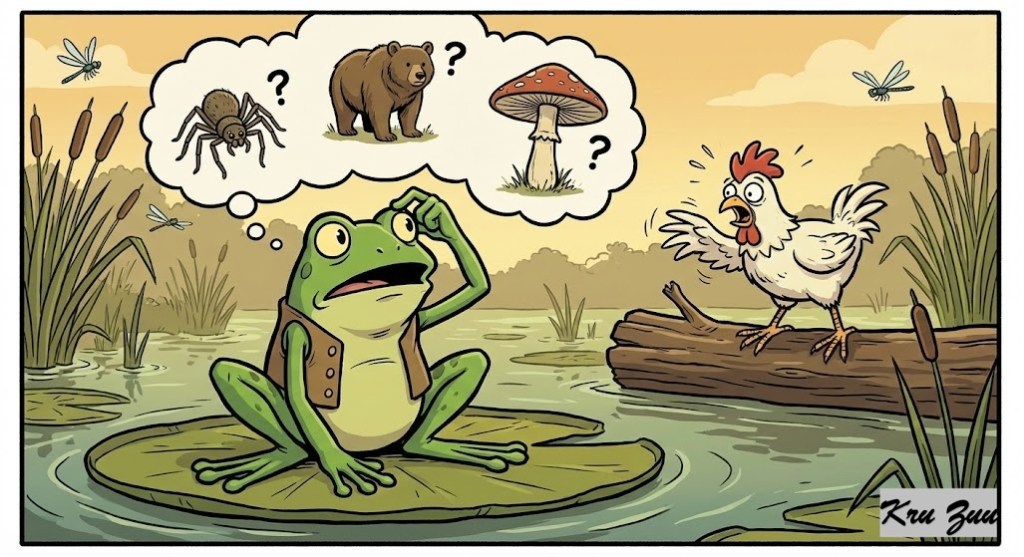
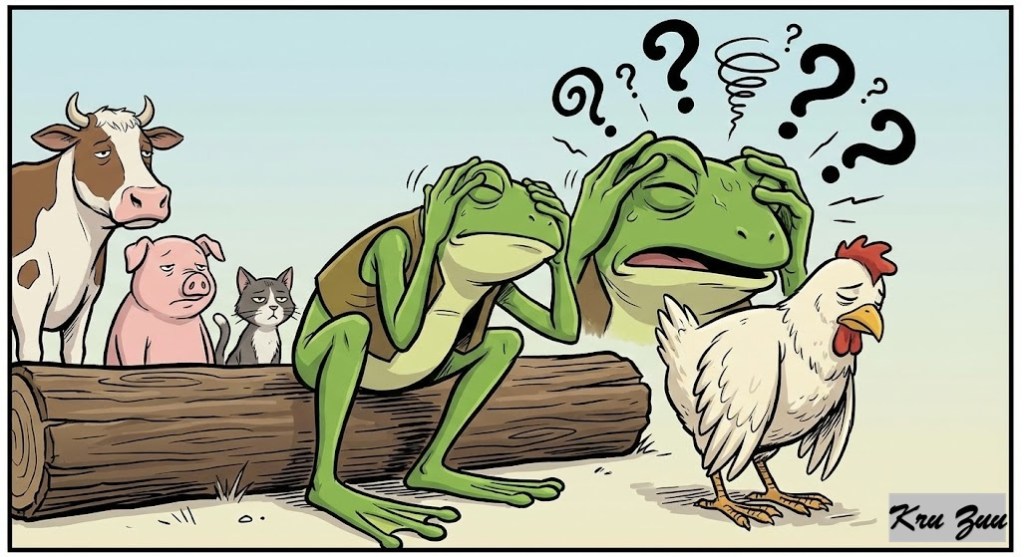
Croak the Frog sat on a lily pad, confused. “Clucky, was it a spider? A bear? A very large mushroom?”
“No, no!” Clucky clucked for 20 minutes, describing the texture, the smell, and the aura of the beast. “It was like a shiny shield with legs!”
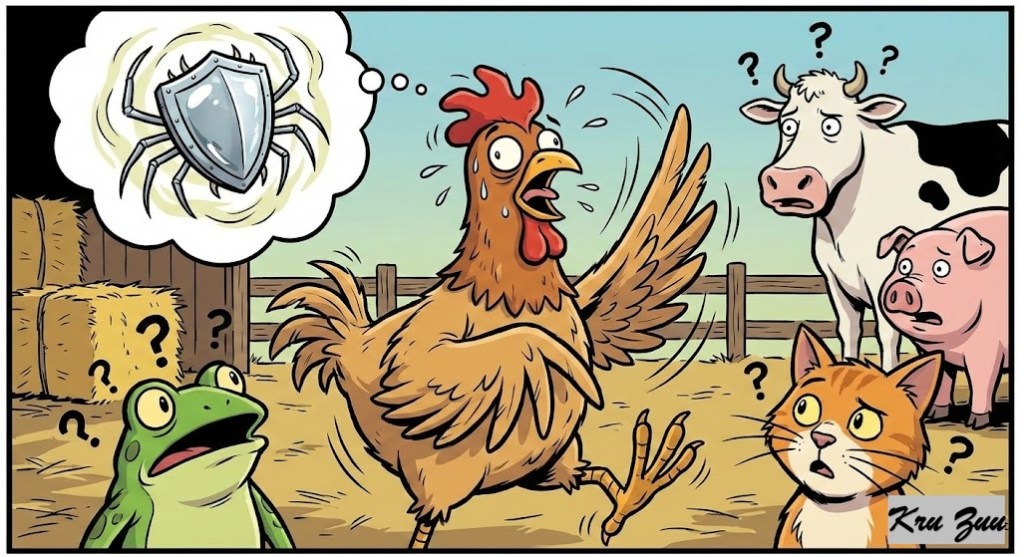
Croak rubbed his head. “I have no idea what you are saying. You are using 5,000 words and I am still blind.”
The Resolution: Whiskers the Cat walked in. She didn’t say a word. She took a piece of charcoal and drew a quick sketch on the wooden wall. A round body, colorful feathers spread out like a fan, and tiny feet.
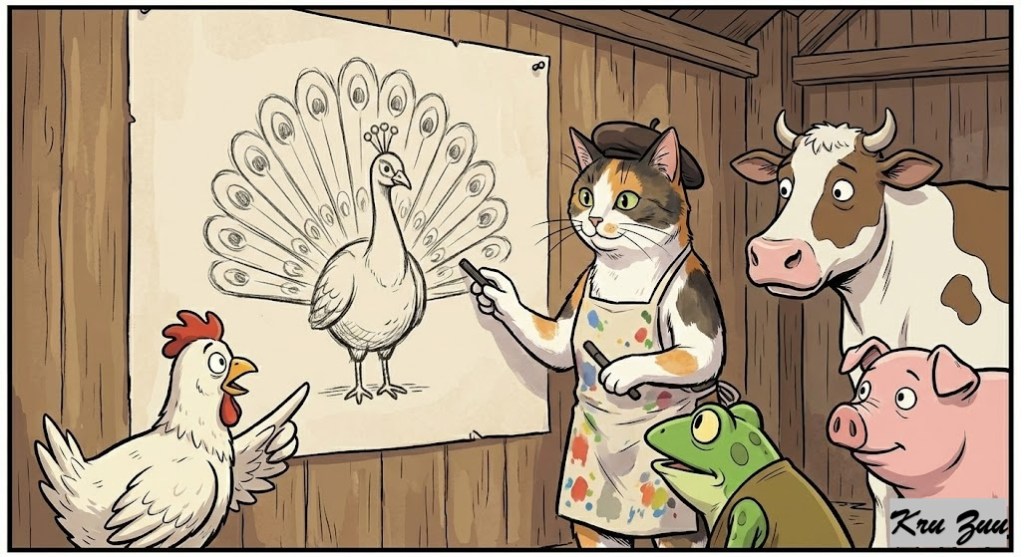
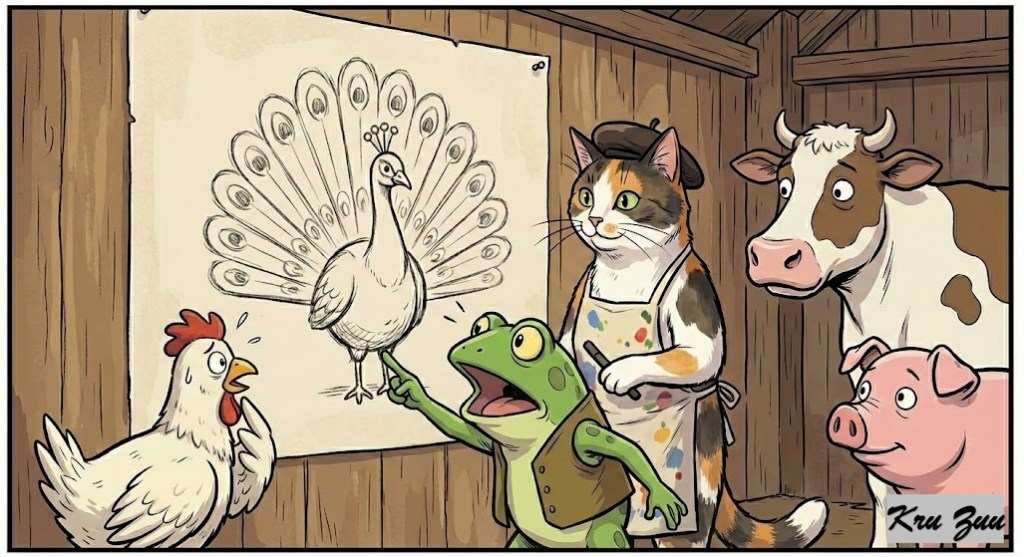
Croak looked at the drawing and gasped instantly. “A Peacock! You saw a Peacock!”
Clucky stopped talking. “Yes! That’s it!”
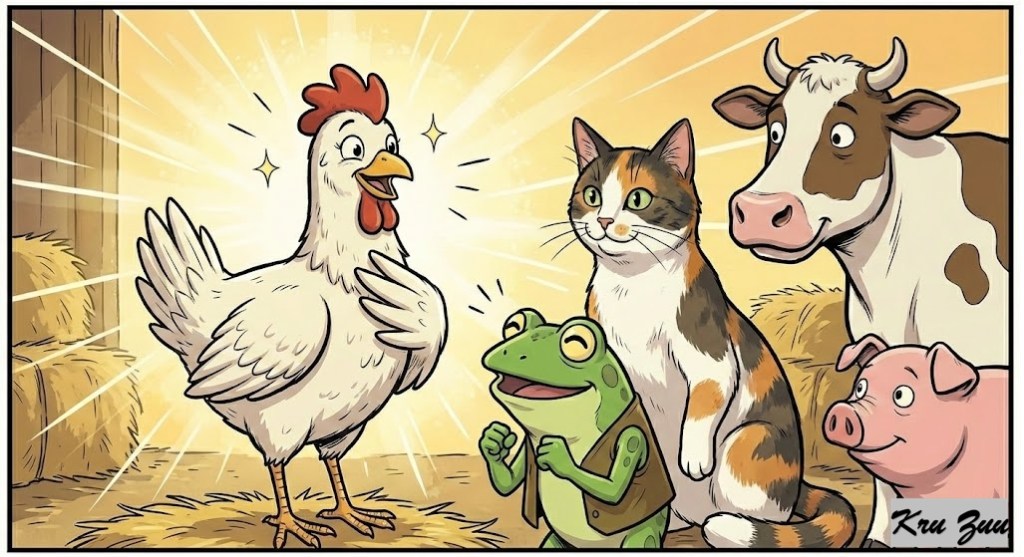
The Moral: Clucky wasted an hour and a thousand panicked words. Whiskers used one minute and one picture. Whiskers won. 🏆
🎓 Lesson for English Learners
Stop Translating, Start Visualizing.
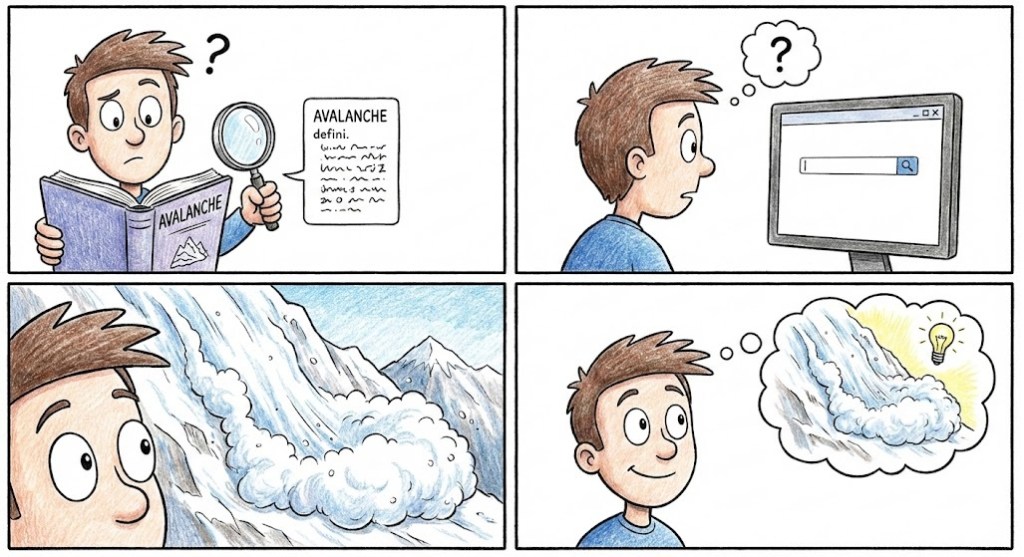
Google Images > Dictionary: When you learn a new word (e.g., “Avalanche”), don’t read the definition (“a mass of snow…”). Go to Google Images. Look at the photo. Your brain will lock that image in forever.
Flashcards: Don’t put the Turkish translation on the back of your card. Put a picture on the back. Connect the English word directly to the concept, not to your native language.

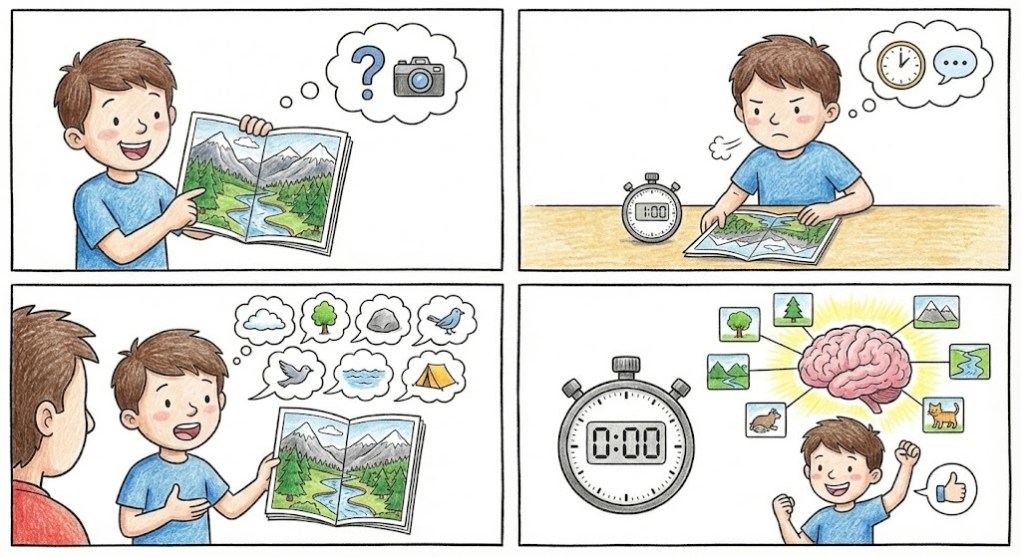
Describe Photos: To practice speaking, find an interesting photo and try to describe it for 1 minute. This forces you to find the right vocabulary.
💬 Your Turn: The Emoji Challenge 🚀
Can you tell a story using ONLY emojis? “Tomorrow” is a liar, but “Pictures” tell the truth.

The Challenge: In the comments below, tell us your favorite movie using only 3 emojis. Let’s see if others can guess it!
Example: 🚢 🧊 💔 (Titanic)
Example: 🦁 👑 🐗 (The Lion King)
👇 What is your 3-emoji story? Comment below!
https://www.facebook.com/BrainBattleground/
https://www.facebook.com/zubeyr.yurtkuran/
https://www.instagram.com/zubeyryurtkuran/

Leave a comment