
Necessity is the mother of invention.
🏖️ The Comfort Zone: You have a car, a GPS, and a full tank of gas. You don’t need to think about directions. You just drive.

📉 The Reality: You rely on tools. If the battery dies, you are lost. Comfort kills creativity.

🔥 The Danger Zone: You are lost in the jungle. Your phone is dead. It is getting dark.

📈 The Reality: Suddenly, your brain wakes up! You build a shelter, you find north using the sun, you find water. You become a genius because you have no choice.

Life has a secret rule: We rarely change when we are comfortable. We change when we need to.

In this post, we explore why “problems” are actually “gifts.” Let’s unlock your inner inventor! 🔓

🧐 The Anatomy of the Proverb
Let’s dismantle this mechanical masterpiece.

📚 Vocabulary Vault
Necessity (Noun): A situation where something is absolutely required or essential. (A “must-have” situation). 🆘

Mother (Noun – Metaphor): The source, origin, or creator of something. (Not a biological mom, but the “starting point”). 🌱

Invention (Noun): The action of inventing something typically a process or device. (Creating something new). ⚙️

🧠 Grammar Focus
This sentence uses a powerful literary device called a Metaphor.

Subject: Necessity (Abstract Noun)

Verb: Is (State of being)

Object: The mother of invention (Noun Phrase)

Formula: [Problem] = [Creator of Solution].
Note: We are comparing “Need” to a “Mother.” Just as a mother gives birth to a child, a “Need” gives birth to a “New Idea.”

📜 History: From Plato to Smartphones
Is this just a catchy slogan? No, it is ancient wisdom.

The Origin: The concept appears in Plato’s Republic (Ancient Greece), where he wrote: “Our need will be the real creator.”

The Evolution: It entered English in 1519, but the phrasing we use today became famous in the 1700s.

Real Life Example: Why was the Internet created? Because the military needed a way to communicate if phone lines were destroyed.
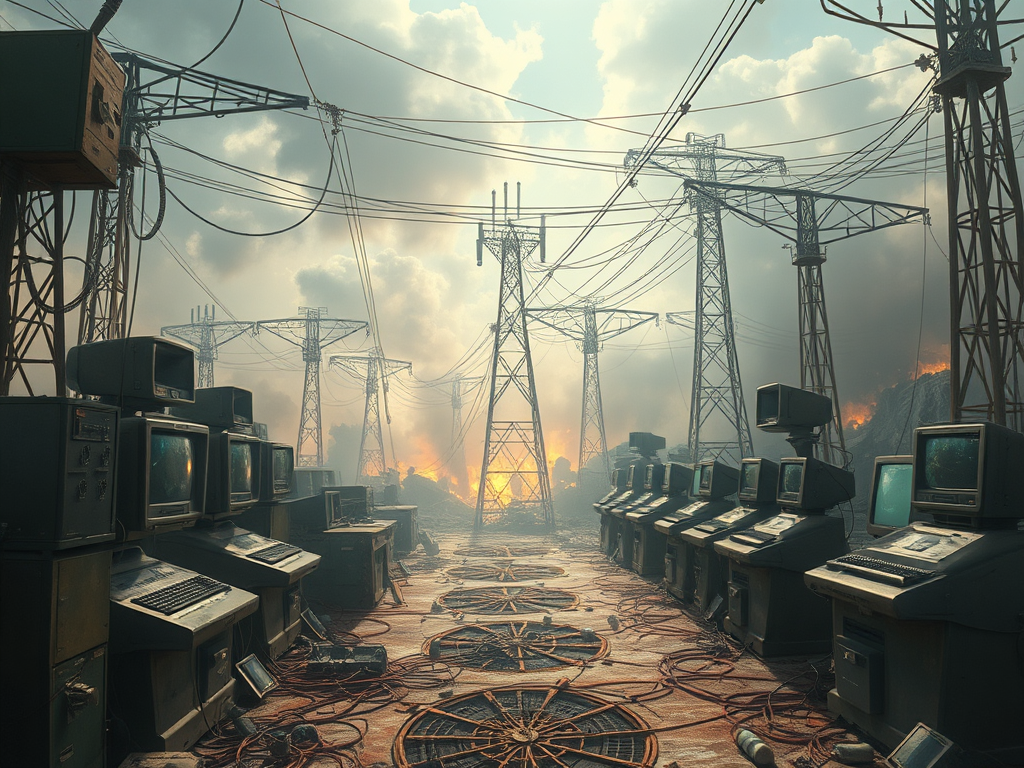
The Lesson: Don’t complain about problems. Problems are the fuel for progress.

🎯 Impact on Life: The Pros & Cons
Is being under pressure always good?

✅ The Pros (Why it works)
Focus: When you have a deadline in 1 hour, you don’t check Instagram. You focus 100%.

Innovation: People didn’t invent the umbrella because they liked carrying sticks. They invented it because they hated getting wet! ☔

Survival: Your brain is lazy. It only works hard when it feels it is necessary.
❌ The Cons (What to watch out for)
Stress: Constant necessity (always being in “survival mode”) causes burnout. 😫

Ugly Solutions: Sometimes, a quick fix is ugly. (Like fixing a broken window with duct tape). It works, but it isn’t “perfect.”

🎭 Short Story: The Heatwave & The Bucket
Let’s visit our farm friends to see who survives the summer heat!
🌟 Character Introduction
Percy the Chicken (The Complainer): Waits for others to solve his problems. 🐔

Fred the Frog (The Thinker): Uses what he has to get what he needs. 🐸

Luna the Cat (The Observer): Watching from the shade. 😼

It was the hottest day of the year. The farmer had left a tall, narrow bucket of cold water in the yard. But the water level was very low right at the bottom.

The Problem: The animals were thirsty, but their heads couldn’t reach down to the water.

Percy: Poked his beak into the bucket. Bonk. He couldn’t reach. “This is unfair!” Percy squawked. “The farmer forgot us! I will just sit here and be thirsty until he comes back.” Percy sat in the hot dust, miserable and waiting.

Fred: Looked at the water. He was drying out. He needed that water to survive. He tried to jump in, but the bucket was too narrow. Luna watched lazily. “Give up, Fred. It’s physics.”

Fred didn’t give up. He looked around. He saw a pile of small pebbles (stones) near the garden.

Idea! 💡 Fred picked up a pebble and dropped it into the bucket. Plop. Nothing happened. He dropped another. Plop. He dropped ten. Twenty. Fifty!

Percy laughed: “Now you are just playing with rocks, you silly frog.”

The Result: With every stone Fred dropped, the water level rose higher due to displacement. After the 100th stone, the cool water rose to the very top of the bucket.

Fred took a long, refreshing drink. 🥤 Percy looked shocked.

Luna smiled: “Percy, you saw a problem. Fred saw a puzzle.”

The Moral:
Percy: Had a need, but waited for help = Thirsty.

Fred: Had a need, and created a solution = Satisfied.

🎓 Lesson for English Learners
How does this apply to learning a language?

Don’t wait until you are “Ready.” Wait until you are “Desperate.”
The “Survival” Method: If you study English in a classroom, you might be lazy. But imagine if you are dropped in the middle of London, hungry, and need to find a bathroom. Necessity will force you to speak. You won’t care about grammar rules; you will care about communication.

Create Your Own Necessity:

Don’t just read books.

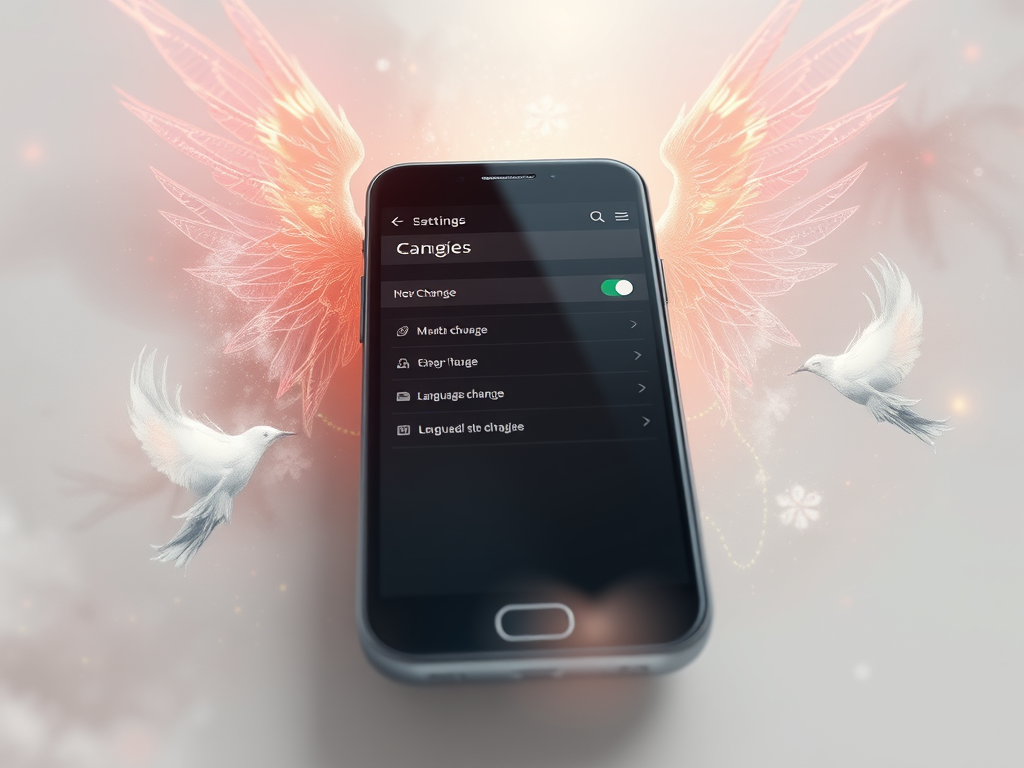
Change your phone language to English. (Now you need to understand it to use your phone).
Promise to teach a friend a topic in English. (Now you need to learn it so you don’t look foolish).

Remember: We learn fastest when we have no other choice.

💬 Your Turn
Have you ever fixed something using a strange object (like opening a box with a key, or fixing glasses with a paperclip) because you didn’t have the right tool? 🛠️🖇️
Tell us your best “MacGyver Moment” in the comments! 👇
https://www.facebook.com/BrainBattleground/

Leave a comment