Remember: Students Are Watching You – Always Be the Role Model
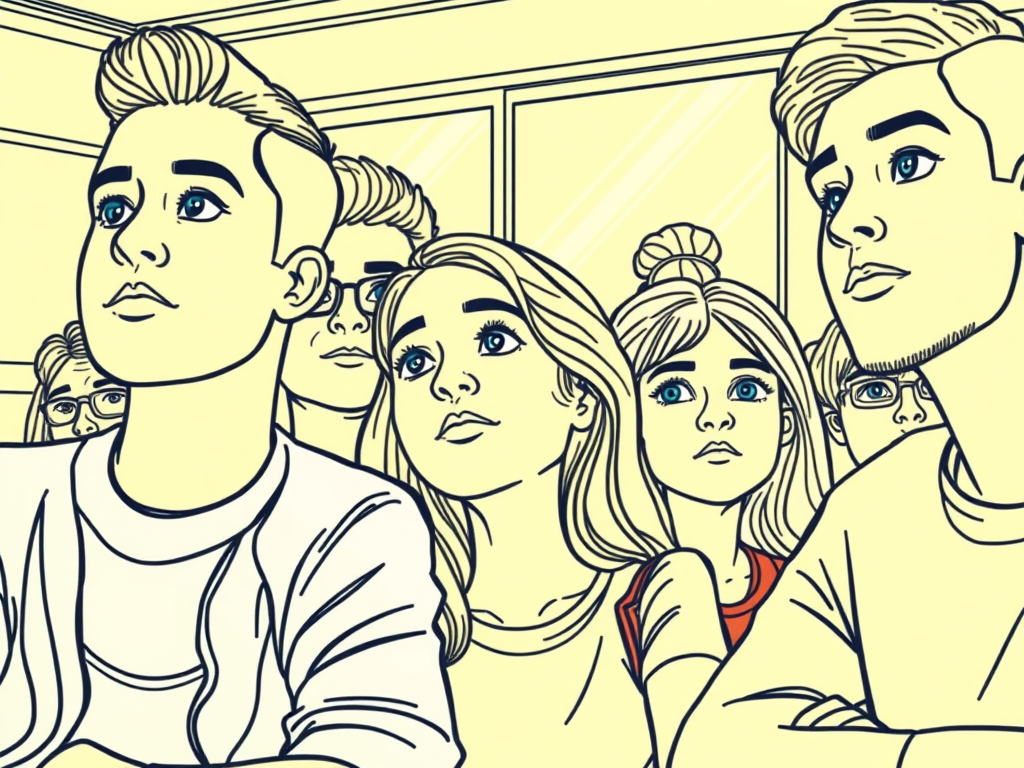
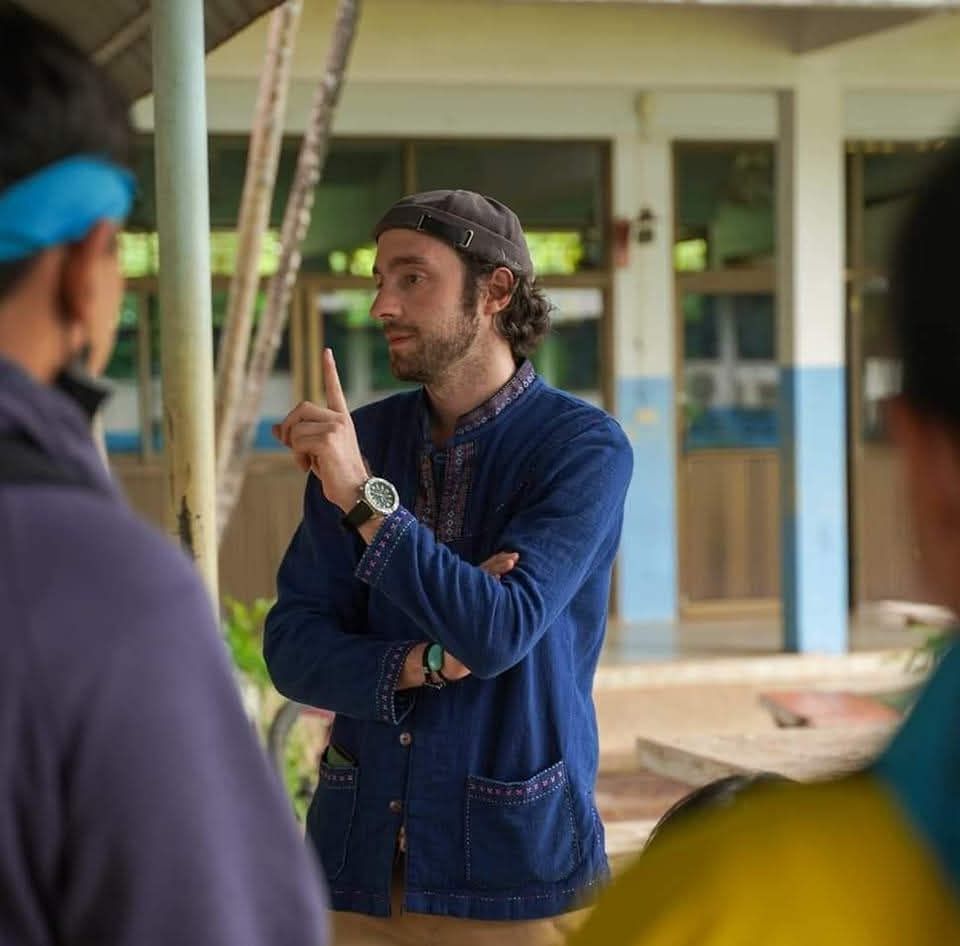
When you work as a foreign teacher abroad, you might think that your influence starts and ends in the classroom. But the truth is, your role as a teacher doesn’t pause when the bell rings. Whether you realize it or not, students and even other staff members are constantly observing you.
Your actions, expressions, tone, and even the way you walk through the hallways become part of how you’re remembered. You are the lesson.
You’re a Guest and a Highlight
In many schools, especially in countries where foreign teachers are not common, your presence alone makes you stand out. You are not just “another teacher” you are the foreign teacher. That label comes with curiosity, expectations, and, yes, attention.
Students are curious about who you are, how you behave, and what you do differently. They may try to imitate you. That’s why it’s so important to be conscious of your actions both inside and outside the classroom.
Small Moments, Big Lessons
The way you greet others in the morning, how you respond to mistakes, how you handle stress, how you talk to cleaning staff all of these moments send a message to your students.
Ask yourself:
Am I showing patience?
Am I respectful to everyone equally?
Do I stay calm under pressure?
Do I model kindness, responsibility, and curiosity?
You may think no one notices but your students do. And they remember.
Classroom Behavior Isn’t Everything
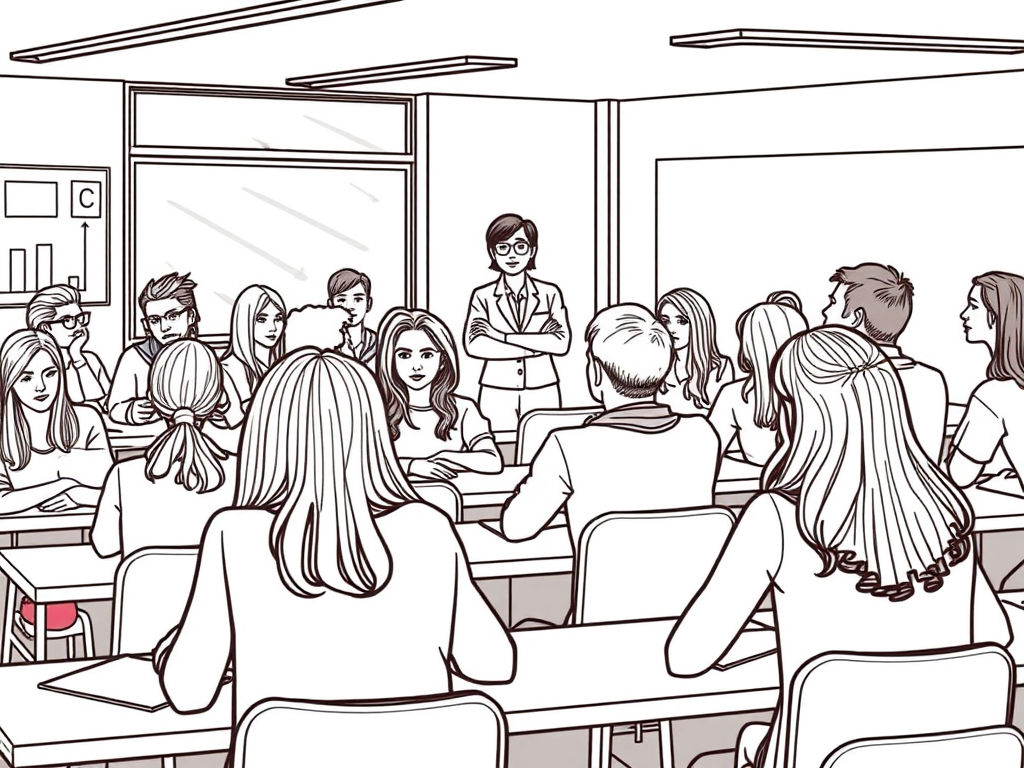
A great lesson can be undone by negative behavior in the hallway or lunchroom. If a student sees their teacher acting rudely, using bad language, or showing favoritism outside the classroom, it shakes the trust you’ve built.
On the other hand, consistent professionalism and kindness make your lessons more effective because students respect you beyond the lesson plan.
Act Like a Student Is Always With You
A good rule of thumb for teaching abroad is this:
Behave as if one of your students is always by your side.
Would you say that in front of them? Would you act like that if they were watching? The truth is they probably are.
What Makes a Role Model
Being a role model doesn’t mean being perfect. It means being honest, respectful, and consistent. It means owning your mistakes, treating everyone fairly, and showing what maturity and responsibility look like.
In a foreign country, this also includes respecting local customs and learning about the culture. Your effort to understand and integrate sends a powerful message: “I respect you, your country, and your values.”
In Conclusion: Your Presence Is Powerful

Teaching abroad is more than a job it’s an opportunity to inspire through who you are. Every smile, every greeting, every respectful gesture plants a seed. Students might forget some of your lessons, but they won’t forget how you lived those lessons yourself.
“You teach more by what you are than by what you say.”
So be the kind of teacher your students will always remember with admiration, not just for your teaching, but for your character.
Final Thoughts
As educators abroad, we are more than just teachers we are daily examples of what it means to lead with integrity, patience, and empathy. Every hallway interaction, every small gesture, every cultural effort is a chance to teach without ever opening our mouths.
So the next time you walk into school, remember: your presence alone is powerful.
You don’t have to be perfect. You just have to be aware, be kind, and be real.
Now it’s your turn:
Have you ever realized how much your students watch and learn from your actions?
I’d love to hear your stories, reflections, or even the small moments that reminded you how powerful your role truly is.
For Those Who Want to Teach Abroad: Golden Tips for Inside and Outside the Classroom will continue. Until then, I’d love to hear your thoughts, suggestions, or memories that left a mark on your heart. See you in the next article. Stay safe, patient and kind.

Leave a comment