
Fairness is Crucial:
Building Trust Through Equality in the Classroom
As teachers, we are more than just sources of knowledge we are role models, guides, and, whether we realize it or not, mirrors of justice in the eyes of our students. Among all the values a teacher should uphold, fairness stands as one of the most powerful.
In fact, it can make or break the atmosphere of your classroom.

Why Fairness Matters ?
Students notice everything. Who gets called on most often, who gets praised more, who gets second chances and who doesn’t. Even young learners are remarkably perceptive when it comes to fairness. The moment they sense favoritism, trust begins to fade. Motivation drops. Some students may feel invisible, while others may feel untouchable. This is not the kind of classroom where real learning can thrive.
In fact, it can make or break the atmosphere of your classroom.

Equal Doesn’t Always Mean Identical
Being fair doesn’t mean treating every student exactly the same. It means giving each student what they need to succeed, within a framework of consistency and respect.
For example:
Some students might need extra time to complete tasks give it without making them feel lesser.
Others may need more challenges to stay engaged provide them without creating a sense of superiority.
Fairness is about balancing individual support with equal respect.

Beware of Unconscious Favoritism
It’s human nature to connect more easily with certain personalities maybe a student reminds you of yourself, or perhaps they’re just more outgoing or helpful. But this connection should never result in unequal attention or opportunity.
To keep yourself in check:
Keep track of who you call on during class try to rotate.
Distribute responsibilities and leadership roles evenly.
Make space for quiet or struggling students to shine.
When all students feel seen, heard, and valued, their confidence grows and so does their effort.
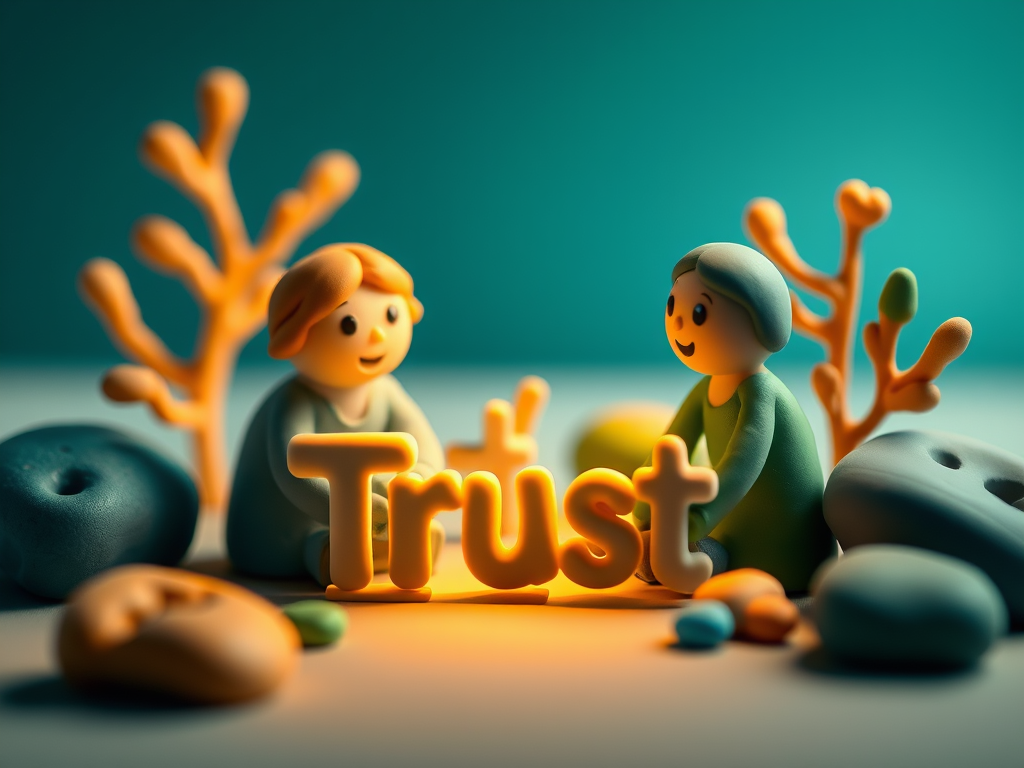
Build a Culture of Trust
Fairness is the foundation of a classroom where students feel safe. When they know that every student is held to the same standards, and that rewards and consequences are given with integrity, they’re more likely to respect you and each other.
You’re also setting an example. When you model fairness, your students learn how to be fair themselves. They learn to listen, share, and support one another.

In Conclusion: Fairness Builds Futures
Your students will forget some of your lessons. But they will never forget how you made them feel. If they remember you as someone who was fair, consistent, and respectful to all that is a lesson they will carry for life.
“Fairness is not an attitude. It’s a professional skill.”
As a teacher, make it one of your strongest.
In the end, fairness isn’t just a classroom strategy it’s a form of silent leadership. It’s in the way we speak, respond, distribute attention, and set expectations. When practiced with intention, fairness has the power to shape not only a student’s academic experience but also their sense of justice, self-worth, and how they treat others. As teachers, let’s choose every day to be the kind of adult we wish every child could learn from fair, thoughtful, and unwavering in our commitment to equity. Because a fair classroom isn’t just a better place to learn it’s a better place to grow. For Those Who Want to Teach Abroad: Golden Tips for Inside and Outside the Classroom will continue. Until then, I’d love to hear your thoughts, suggestions, or memories that left a mark on your heart. See you in the next article. Stay safe, patient and kind.
Fairness is Crucial: Building Trust Through Equality in the Classroom
Being fair doesn’t mean treating every student the same it means giving each one what they need to grow, with respect and consistency.
In this post, I explore why fairness is more than a value it’s a teaching skill that shapes classroom culture, builds trust, and empowers every learner.
📚 Why does fairness matter so much?
🔍 How can we avoid unconscious favoritism?
🤝 What does “equal but not identical” really mean?
✨ If you’re an educator, or simply someone who believes in the power of respect, this post is for you.
TeachingWithHeart #FairnessInTheClassroom #InclusiveEducation #TeacherLife #ClassroomCulture #EducationalEquity

Leave a comment